


A lot of people start searching for a drywall company near me at the exact moment they realize the problem isn't staying small. A ceiling stain spreads after a leak. A plumbing access hole is still open weeks later. A crack above a doorway keeps coming back even after someone patched it. Or a remodel is moving forward, but the walls still look rough, uneven, and nowhere near paint-ready.
That search usually comes with some frustration. You want someone local, responsive, and careful. You also want to know what the job will look like from estimate to cleanup, because drywall work affects how your whole space feels once the paint goes on.
In the Portland area, that matters even more. Homeowners in Portland, Beaverton, Hillsboro, Tigard, Lake Oswego, Gresham, and Vancouver, WA often need more than a quick patch. They need repairs that blend in, ceilings that look right under real lighting, and a crew that can handle drywall, painting, insulation, or framing without turning the project into a drawn-out mess.
Table of Contents
- Your Search for a Local Drywall Expert Ends Here
- Complete Drywall and Interior Finishing Services
- Our Process What to Expect When You Hire CS1
- The CS1 Difference Quality, Safety, and Trust
- Proudly Serving Portland and Surrounding Cities
- Get a Professional Solution for Your Drywall Project
Your Search for a Local Drywall Expert Ends Here
A homeowner notices a hairline crack near the corner of the living room ceiling. At first, it seems cosmetic. Then a week later, afternoon light hits the ceiling from the side and the crack looks wider, the patch around it looks rough, and the whole area draws attention every time someone walks into the room.
Another client has the opposite problem. The wall is open because a plumber had to get to a pipe. The repair itself is done, but now there's a rectangular hole in the middle of a hallway, unfinished edges, and no clear idea how to make it look like it never happened. That's when the online search starts.
Those are normal situations. So is the basement that's framed but unfinished. So is the water-damaged ceiling in a bathroom. So is the rental unit that needs to be turned over fast without leaving obvious patches, mismatched texture, or dusty floors behind.
Practical rule: If the repair will sit in direct light, near cabinets, around trim, or across a large flat wall or ceiling, the finish quality matters as much as the patch itself.
Drywall problems aren't all the same, and the wrong approach shows up quickly. Small holes can be straightforward. Recurring cracks often need more than filler. Water damage needs the damaged material addressed properly before anyone starts taping and finishing. Remodel work needs layout, fastening, corner treatment, and finish quality handled correctly from the start.
That's why people searching for a drywall company near me usually aren't just looking for someone to spread mud. They're looking for someone who understands how the wall has to perform, how it has to look after paint, and how to get from damaged or unfinished to clean and complete without guesswork.
What local clients usually want
- A repair that blends in: Not a visible square patch, flashing seams, or a texture mismatch that stands out.
- A realistic timeline: Not vague promises. Clear communication about access, drying time, sanding, and return visits.
- Respect for the property: Dust control, clean floors, protected furniture, and a job site that doesn't feel chaotic.
- One team that can handle related work: Drywall, painting, insulation, and framing often overlap on the same project.
For homeowners and property managers in the Portland metro area, the right contractor should make the process feel organized, not stressful.
Complete Drywall and Interior Finishing Services
A good drywall contractor does more than patch a hole or hang board. The job is to carry the wall from damaged or unfinished to ready for paint, with the right finish for the room, the lighting, and the way the space will be used.
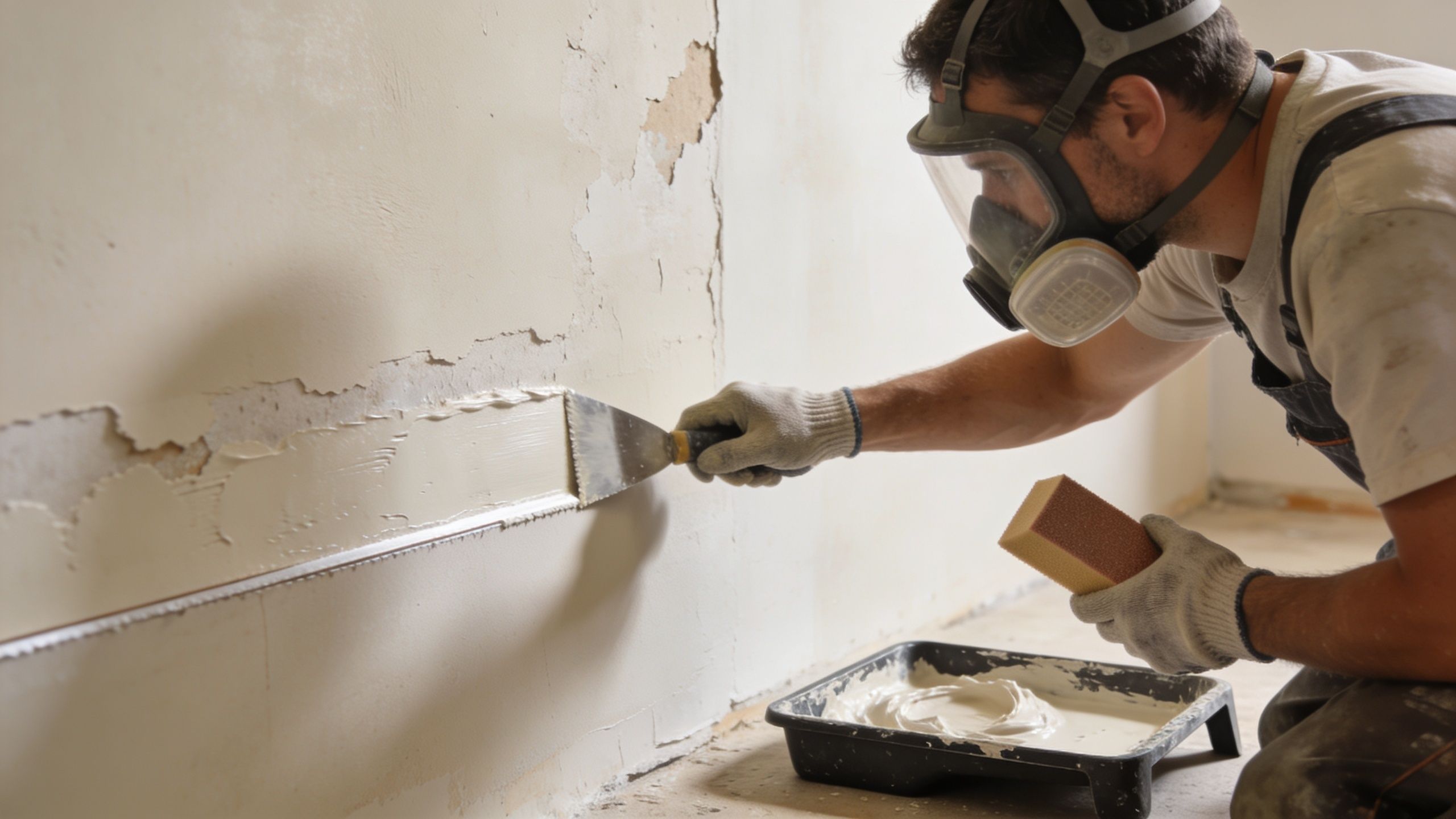
A lot of projects overlap. A kitchen remodel may need new drywall in one section, patches where plumbing or electrical changed, fresh corner bead at outside corners, insulation in opened walls, and paint once the finish work is complete. Handling those pieces under one scope keeps the schedule cleaner and avoids the usual finger-pointing between trades.
Repairs that look right after paint
Repair work separates average drywall work from skilled finish work. Anyone can fill damage and make it look acceptable before primer. The definitive quality is revealed by how it reads in daylight, under ceiling fixtures, and across the rest of the wall.
Common repair calls include:
- Water-damaged drywall: Wet material has to be removed after the moisture source is corrected. Then the area can be rebuilt, taped, finished, and prepared for paint.
- Cracks and failed seams: Some come from movement, some from poor fastening, and some from old tape breakdown. The repair method should match the cause.
- Holes and impact damage: Door handles, furniture hits, and access cuts after plumbing or electrical work all need clean patching and proper blending.
- Ceiling repair: Ceilings are unforgiving. Broad light and shadows make uneven finishing easy to spot.
If you're dealing with one of those issues, a dedicated drywall repair service in Portland helps keep the repair, texture match, and paint prep under one plan instead of piecing it together job by job.
New drywall for remodels, additions, and tenant work
New installation starts long before the first coat of mud. Board layout, fastening pattern, backing, corner treatment, and joint placement all affect how the finished surface looks months later. Poor planning at the hanging stage usually shows up after paint, when fixing it costs more.
Different projects call for different priorities:
| Project type | What matters most |
|---|---|
| Basement finishing | Flat planes, clean transitions, and finishes that hold up under long wall washes |
| Home remodels | Tight tie-ins between existing surfaces and new work |
| Tenant improvements | Scheduling that keeps framing, electrical, paint, and inspections on track |
| Clinics, restaurants, and retail interiors | Consistent walls and ceilings under stronger, less forgiving lighting |
CS1 Real Interiors handles drywall repair, installation, painting, insulation, and metal stud framing for residential and small commercial interiors in the Portland metro area. That matters for clients who want one crew responsible for the finished result, not a stack of separate subcontractors.
Finish level changes what you see every day
Finish level is one of the biggest differences between work that looks fine at first glance and work that still looks clean after primer and paint. Industry standards recognize several drywall finish levels. A Level 5 finish includes the usual joint treatment plus a skim coat across the full surface to reduce visible joints, fasteners, and surface variation under critical light.
That extra step is not necessary in every room. It often makes sense on smooth walls, large ceilings, entry areas, open living spaces, and commercial interiors with direct or side lighting. Dark paint colors and higher-sheen coatings also make finish quality more visible.
A wall can be taped correctly and still look uneven once the paint goes on.
That is why finish selection should be discussed during the estimate, not after the room is painted. Good contractors explain the trade-off clearly. Level 4 may be appropriate for many spaces and budgets. Level 5 costs more in labor and material, but in the right room it produces a flatter, more uniform result that clients notice immediately.
Our Process What to Expect When You Hire CS1
A drywall project usually starts the same way. You notice a ceiling crack that keeps drawing your eye, a patch that never blended right, or a remodel that is ready for board and finish. Before any work begins, you need a clear answer on scope, schedule, protection, and what the finished surface should look like.

Step one starts with the estimate
The estimate is where a good project gets defined properly. We look at the damaged or unfinished area, ask how the room is used, and determine what the surface needs to do after the drywall work is complete. A small patch in a spare bedroom is different from a living room wall with side lighting or a ceiling that has to disappear visually once it is painted.
That is also the right time to discuss important trade-offs.
If the job needs texture matching, repainting, insulation, or metal stud framing, that should be clear up front. If a higher finish level makes sense, that should be clear too. Clients should not have to find out after primer that the room needed more finish work than the original scope allowed.
A useful estimate answers practical questions:
- What is included: repair, demolition, hanging, taping, texture, smooth finish prep, paint, or cleanup
- What access is needed: furniture moving, room clearance, ceiling height, and working hours
- What finish is expected: a standard finish for the space or a higher-end result for critical lighting
- What the schedule looks like: working days, drying time, and when the area can be used again
Clear scope saves time and avoids change-order surprises.
What happens once work is scheduled
Once the job is approved, the process should feel organized from day one. Clients should know when the crew is arriving, what areas need protection, and whether the work will be completed in one visit or in stages.
A typical drywall project moves through these steps:
Site confirmation and protection
We confirm access, isolate the work area as needed, and protect floors, trim, and nearby finishes before material comes in or demolition starts.Removal or installation
Damaged board is cut out cleanly, or new drywall is installed to fit the framing and layout of the room. Poor cuts and loose fastening create finishing problems later, so this step matters more than many clients realize.Taping and coating
Seams, corners, patches, and fasteners are treated in multiple passes. Drying time is part of the work, not dead time. Rushing this stage often leads to shrinkage, visible joints, or repairs that flash through paint.Sanding and surface correction
The goal is not just to make the area smooth to the touch. The surface has to look consistent across the room, especially where old and new work meet.Texture match or smooth-wall preparation
Some rooms need an accurate texture blend. Others need a flatter surface for a clean paint result. That choice affects labor, material, and the final appearance.
Here's a quick look at what professional drywall work involves in practice:
Final walkthrough and cleanup
The last part of the job shapes how people remember the whole experience. A repair can be technically complete and still feel unfinished if dust is left behind, debris is piled in the corner, or the patched area looks different once the room settles back into normal use.
Closeout should include a careful review of the surface, cleanup of debris and dust, and a direct conversation about what was completed. If painting or additional interior work is next, clients should know whether the area is ready now or needs more cure time first.
Good drywall service is not just hanging board and applying mud. It is a process clients can follow from estimate to cleanup, with fewer surprises and a finished result that fits the room, the lighting, and the budget.
The CS1 Difference Quality, Safety, and Trust
A wall can look acceptable right after sanding and still disappoint once primer and paint go on. Raking light exposes tape lines, uneven build-up, shallow patches, and corner work that was rushed. That is usually the point where a client realizes the low bid did not include the level of finish the room needed.
The difference starts with clear standards. A contractor should be able to explain what finish level fits the space, where a Level 5 finish is worth the extra labor, and what the crew will do to protect floors, furnishings, and adjacent rooms during the work. If those answers are vague before the job starts, the result is usually inconsistent on the wall.
Good drywall work holds up after the painter leaves
Clients do better when they can see exactly what they are buying. That means a written scope, realistic scheduling, and plain language about limits. A small patch in a low-light hallway is different from smooth-wall prep in a living room with large windows. Both can be done well, but they should not be priced, finished, or inspected the same way.
A solid drywall proposal should make these points easy to verify:
- Scope of work: Removal, hanging, taping, corner bead, texture work, sanding, and whether the surface will be left paint-ready or primed.
- Finish standard: The expected finish level for each area, especially on smooth walls and ceilings where imperfections show fast.
- Material choices: Standard board, moisture-resistant board, abuse-resistant board, and where each one makes sense.
- Repairs versus replacement: Whether the damaged area can be patched reliably or whether full replacement will give a better long-term result.
- Workmanship coverage: What is covered after completion and how punch-list items are handled.
Cheap drywall often costs more later. The usual pattern is extra painter prep, visible flashing, repeat repairs, or texture that never blends correctly.
Safety standards are part of professionalism
Drywall work creates dust, requires ladder use, and involves sharp tools, heavy sheets, and active material staging. On occupied jobs, safety affects the homeowner's daily routine as much as it affects the crew. Dust containment, walkway protection, clean staging, and careful debris removal are part of doing the job correctly.
OSHA-conscious practices matter here. Crews should handle silica-producing dust carefully, keep work areas controlled, and reduce trip hazards instead of treating safety as paperwork. Clients may never see every step, but they notice the result. Fewer damaged surfaces, fewer interruptions, and a cleaner site when the work is done.
At CS1, quality and safety support each other. A disciplined crew tends to cut cleaner openings, protect finishes better, and catch small issues before they turn into callbacks.
Who benefits most from that approach
The value changes by project.
A homeowner getting a house ready for sale needs walls that look consistent under inspection and listing photos. A builder needs predictable scheduling because drywall delays push paint, trim, flooring, and final punch. A property manager usually needs durable repairs and a crew that can work cleanly around turnover deadlines. A business owner may need improvements done with as little disruption to staff, customers, or tenants as possible.
Trust comes from being specific. Clients should know what level of finish they are getting, what the crew is responsible for, how the site will be protected, and what the room should look like when the work is done. That is what separates a basic drywall job from professional interior finishing.
Proudly Serving Portland and Surrounding Cities
Local service matters because drywall problems don't happen in a vacuum. The type of home, the age of the structure, the previous repairs, the lighting conditions, and the project schedule all shape the right solution.

Local service with local context
In Portland, many calls involve older wall repairs, ceiling cracks, water-damaged areas, and pre-sale upgrades where finish quality needs to hold up under close inspection. If you're looking for service in the city, the Portland service area page is the best place to start.
In Beaverton and Hillsboro, remodels, additions, and interior updates often need more than patchwork. Homeowners may need drywall installation, insulation, and painting coordinated in the right order. Builders and business owners may need clean scheduling for tenant improvements or custom interior work.
In Tigard, Lake Oswego, and Gresham, a lot of demand comes from homeowners who want repairs that don't look like repairs. That usually means careful texture matching, stronger patch integration, and better finish work before paint. In Vancouver, WA, the need is often similar. Small commercial projects, home updates, and turnover work all depend on a contractor who can move efficiently without sacrificing appearance.
Local experience helps most when the job isn't standard. Mixed textures, older framing, patched ceilings, and remodel tie-ins all require judgment, not just labor.
One contractor for more than one trade
Many drywall projects overlap with other interior needs. A wall opened for electrical work may also need insulation replaced. A basement finish may need framing before board goes up. A repair may make sense to repaint while the area is already being worked on.
That's where a contractor with broader interior capability helps simplify the process. Instead of coordinating separate crews for drywall, paint, insulation, and light framing, clients can keep the project more organized under one scope.
Get a Professional Solution for Your Drywall Project
A drywall problem usually starts small. A ceiling stain after a leak, a patch that flashes in window light, a remodel that stalled at exposed studs. Then the paint goes on, the room dries out, or the furniture moves back in, and every shortcut becomes easier to see.
That is usually the point where professional work pays for itself.
If you are searching for a drywall company near me, the question is not who can hang board. It is who can carry the job from estimate to cleanup without leaving you with visible seams, uneven texture, dust throughout the house, or vague answers about what happens next. Good drywall work is part craftsmanship, part planning, and part jobsite discipline.
When hiring a pro is the smart call
Some repairs are reasonable for a homeowner. Others have too much visibility, too much risk, or too many steps tied together.
Bring in a drywall contractor when:
- The repair is on a ceiling. Ceilings show bad taping and poor blending fast, especially in natural light.
- Water damage is part of the problem. Wet material has to be removed, the affected area has to be checked, and the rebuild has to be dry and sound before finishing starts.
- You want a smooth wall or high-end paint finish. Side light exposes joints, ridges, and sanding marks. Here, finish level matters, including whether a Level 5 approach makes sense for the room.
- Texture needs to match existing walls or ceilings. A patch can be solid and still look wrong.
- The project affects a sale, rental turnover, or final inspection. Cosmetic misses and incomplete cleanup create problems beyond the wall itself.
Trade labor varies widely because drywall is not just one skill. Hanging, taping, skim work, texture matching, dust control, and repaint prep each require a different level of judgment. That is why the estimate should cover more than square footage. Clients should know what finish is being delivered, how the area will be protected, and what the final surface should look like before paint.
What a professional solution should include
A solid drywall contractor does more than repair the damaged spot.
The process should start with a clear site visit or estimate, followed by a defined scope. That scope should explain whether the job calls for patching, full replacement, corner bead work, skim coating, texture matching, insulation replacement, or paint-ready finishing. It should also address practical details clients care about, such as work hours, access, dust containment, cleanup, and whether the repaired area will need primer and paint after the drywall portion is complete.
Safety matters too. On residential and commercial jobs, clean setup, ladder use, material handling, and work-area protection are part of professional standards. Clients may not see every step, but they can see the result when a crew works in an organized way and leaves the space in good condition.
Take the next step
If your project involves cracked seams, holes, ceiling damage, unfinished remodel walls, or interior areas that need to look right before painting, get an estimate while the scope is still manageable.
CS1 Real Interiors handles drywall repair, drywall installation, interior painting, insulation, and metal stud framing in Portland, Beaverton, Hillsboro, Tigard, Lake Oswego, Gresham, Forest Grove, Cornelius, Tualatin, and Vancouver, WA. Contact CS1 Real Interiors to request a free estimate and get clear answers on scope, finish level, schedule, and cleanup.