


The national average insulation installation cost is about $1,852, with most projects falling between $498 and $4,500. Installed pricing commonly runs from roughly $0.40 to $6.75 per square foot, depending on the material, access, and condition of the space.
A Portland homeowner usually starts searching after feeling a cold floor, noticing a draft near an outlet, or opening a wall during a remodel and finding little or no insulation. Then the estimates begin to spread. One contractor may price an attic top-up, while another includes air sealing, removal, moisture preparation, and related drywall work. Those are not the same project.
The practical way to understand insulation installation cost is to look past the material label. In Portland, Beaverton, Lake Oswego, and older homes throughout the metro area, access, moisture, wall condition, and the stage of construction often matter more than the square footage alone.
Table of Contents
- Why Insulation Costs Vary So Much in Portland
- Comparing Common Insulation Types and Their Costs
- Understanding the Price Breakdown of Insulation
- Key Factors That Drive Up or Lower Your Installation Price
- Real-World Project Estimates for Portland Homeowners
- Deciding Between DIY Installation and Professional Services
- The Long-Term Value and Energy Savings of Quality Insulation
- Get Your Free Insulation Estimate Today
Why Insulation Costs Vary So Much in Portland
A homeowner in an older Portland house may budget for a straightforward insulation upgrade, only to discover that the attic hatch is narrow, the existing material is compressed, and several roof penetrations leak air. A Lake Oswego remodel may look simpler because the walls are already open, while a finished-wall retrofit in Beaverton can require drilling, patching, texture matching, and repainting after the insulation is installed.
The national benchmarks provide a useful starting point, but they aren't a quote for your home. One estimate places average homeowner spending at $1,852, with most projects between $498 and $4,500 and installed costs around $0.40 to $6.75 per square foot. The same guide places blown-in insulation around $975 to $2,200, showing how sharply material and scope can change the finished price. See the national insulation cost benchmarks for the underlying ranges.
The project type changes the math
New construction is usually the cleanest and most predictable situation. Crews can install batts, blown-in material, or spray foam while framing is accessible, without removing finished drywall or repairing painted surfaces.
Retrofit work is different. Installers may need to locate cavities, protect flooring and furniture, work around wiring and plumbing, and close the access points afterward. If water damage, mold-like staining, rodent contamination, or damp framing appears, the insulation job may need to pause until the cause is corrected.
Practical rule: A low per-square-foot price means little unless the estimate explains access, preparation, removal, air sealing, and finish repair.
If you want a reliable number instead of an online range, request a free insulation estimate through the contact form. A site review can separate the insulation itself from the drywall, moisture, and access work that often controls the final invoice.
Comparing Common Insulation Types and Their Costs
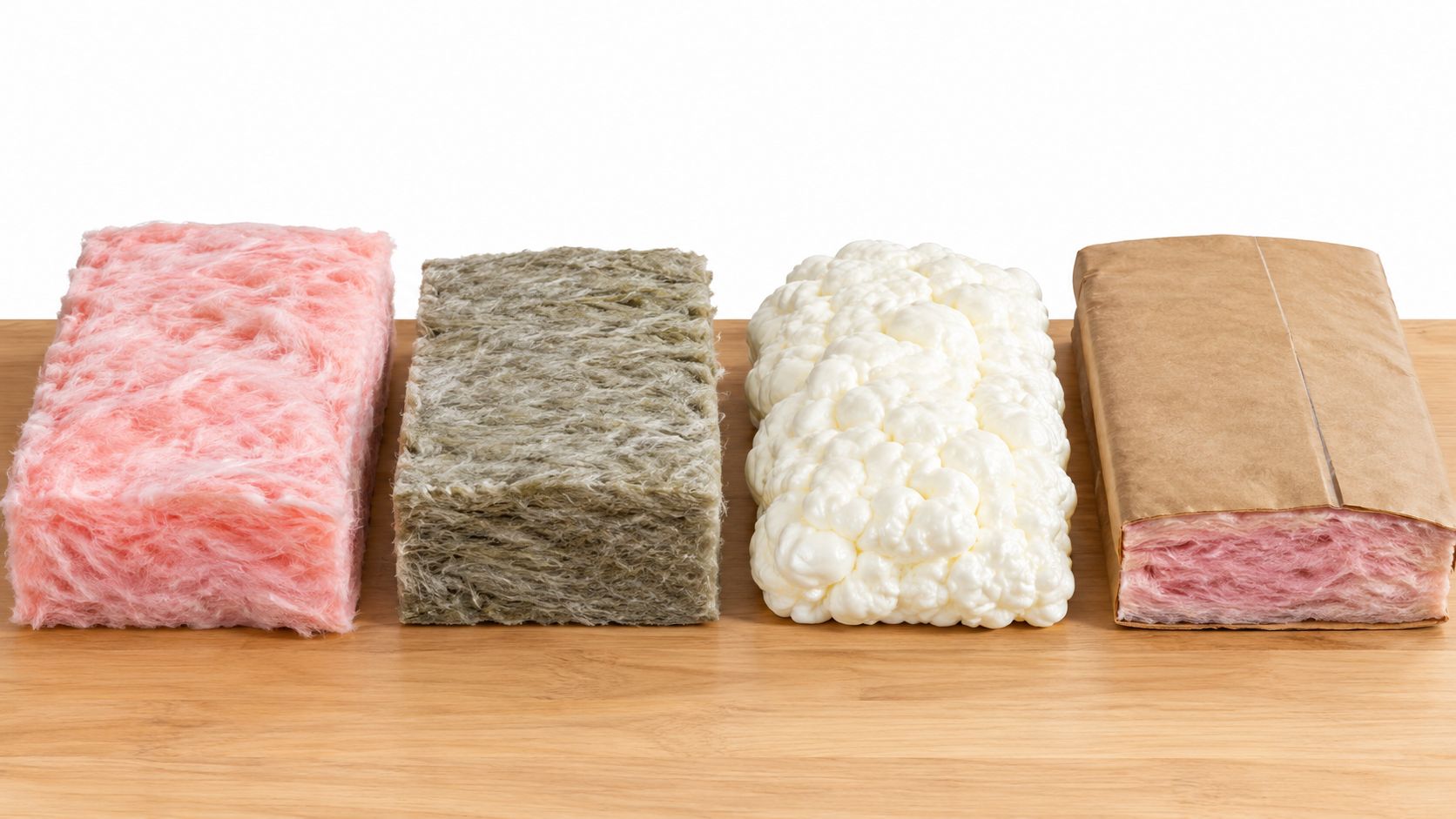
No single insulation material is right for every Portland project. Fiberglass may be the sensible choice in an open wall, dense-pack material can work well in selected retrofit cavities, mineral wool brings useful fire and sound characteristics, and spray foam can solve air leakage where other products cannot. The right comparison is not just price per bag or price per square foot. It's installed performance in the actual assembly.
Fiberglass batts and rolls
Fiberglass batts and rolls are familiar, widely available, and efficient to install when wall or ceiling cavities are open and evenly framed. A cost guide places fiberglass insulation for a 2,000-square-foot house at an average of about $4,700, with typical project ranges from $2,000 to $7,400. Those figures include the broad effect of labor and scope, not just the material.
Batts don't correct a crooked cavity, open seam, or unsealed penetration by themselves. Installers must cut around electrical boxes, pipes, and framing so the material stays full and continuous. Poor fitting creates gaps that reduce the value of an otherwise reasonable product.
Blown-in fiberglass and cellulose
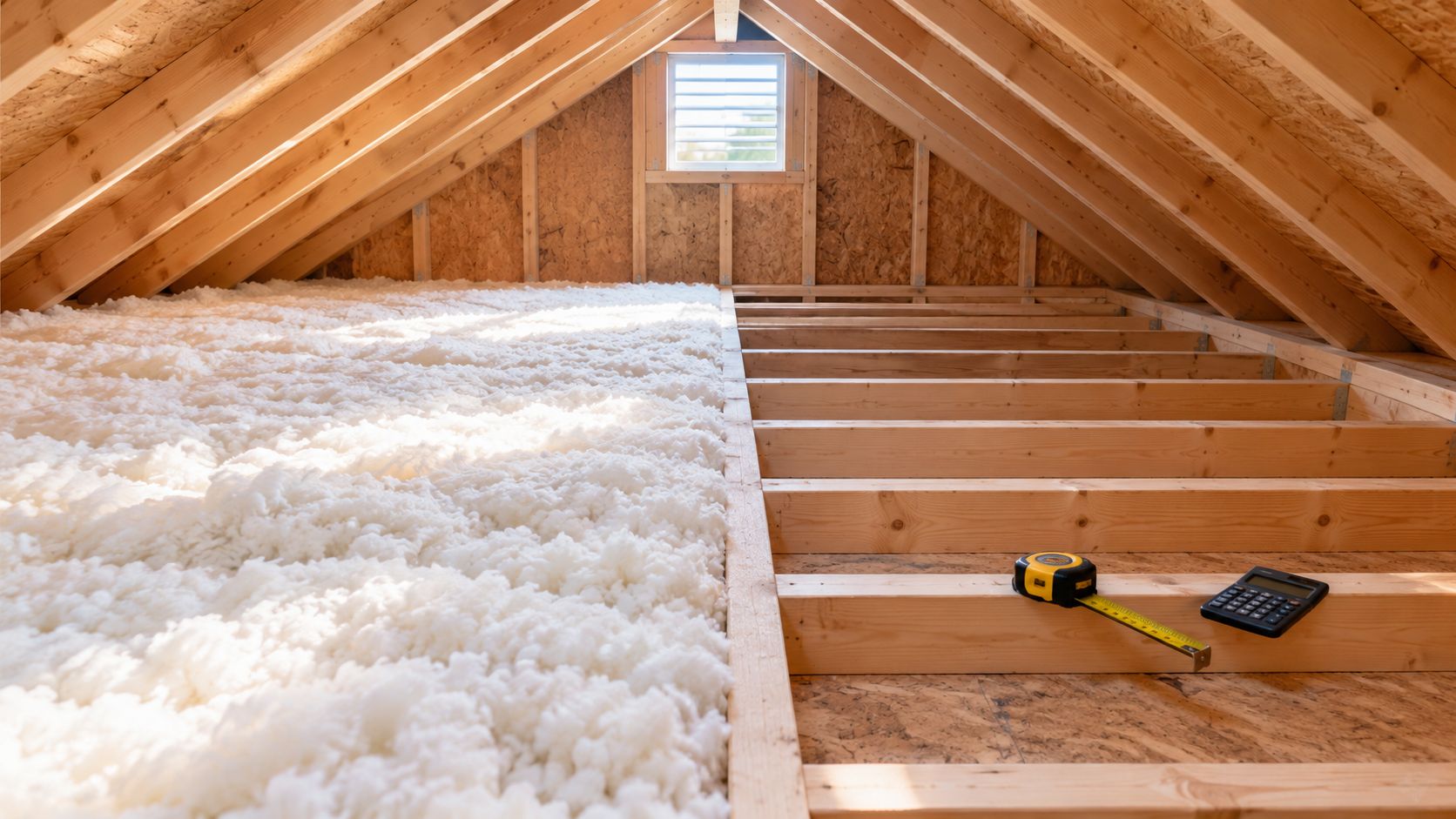
Blown-in insulation works well for attic additions and some wall retrofits. It fills irregular areas more readily than batts, but the installer must control depth and density so the material reaches the intended R-value without leaving thin spots.
Across material comparisons, blown-in fiberglass is listed around $1.10 to $2.00 per square foot, rockwool around $1.50 to $2.25, and cellulose around $1.60 to $2.30, with thickness and R-value affecting the installed price. The blown-in insulation cost guide also shows why attic work and older wall work can price differently, with attic installations often around $1 to $1.50 per square foot and older walls around $1.75 to $3.30 per square foot.
Mineral wool and spray foam
Mineral wool is dense, durable, and useful where sound control or fire resistance matters. It generally needs a properly sized open cavity, and its stiffness can make detailed cutting more demanding around crowded framing.
Spray foam is the expensive option, but it combines insulation with air control in the right application. Professionally installed spray foam benchmarks run about $1 to $4 per square foot in new construction and roughly $3 to $5 per square foot in existing homes, with a national average near $2,888. The spray foam insulation cost reference explains why finished-wall retrofits cost more, particularly when access requires opening and restoring the wall.
Understanding the Price Breakdown of Insulation
A useful insulation bid shows where the money goes. It should separate material, installation labor, preparation, removal, air sealing, access work, and any drywall or paint restoration. A single line such as “insulate attic” hides the scope and makes two very different proposals look comparable.
Material cost depends on the target
Higher R-values usually require more material, deeper cavities, or a product with greater resistance per inch. R-value measures resistance to heat flow, so the specified performance target affects both quantity and installation time.
Blown-in insulation shows this clearly. One guide lists a 1,500-square-foot house at $2,625 to $11,250, while smaller examples show R-13 to R-21 at $230 to $330 and R-38 to R-49 at $1,300 to $1,600. The blown-in insulation pricing details demonstrate why area alone cannot predict the bill. Material depth, coverage, and the condition of the installation area all matter.
Bag price can also give a false impression. A 28.5-pound fiberglass loose-fill bag costs about $33 and can support an installation estimate of about $500 for 15 bags per 1,000 square feet at R-30. A 19-pound cellulose bag costs about $30, but its coverage can be only about one-fourth that of fiberglass loose fill. The material coverage comparison helps compare the coverage delivered, rather than the price printed on each package.
Portland retrofit work adds another layer. An open attic or exposed wall cavity gives the crew room to inspect, seal, and install continuously. Finished walls require careful access planning, protection, and possible restoration. Moisture or settled insulation can add preparation before new material belongs in the assembly.
Labor reflects access and restoration work
Labor includes setup, protection, measuring, cutting or blowing, access, cleanup, and quality control. It also includes sealing penetrations and correcting areas where existing insulation has settled or failed. Those tasks often determine whether the finished insulation performs as specified.
For another explanation of how attic scope, material choice, and labor affect a bid, review Superior Home Improvement insulation costs. Treat outside cost references as comparison tools, not substitutes for inspecting the actual cavities.
Ask whether the proposal includes removal, disposal, air sealing, electrical and lighting adjustments, drywall patching, texture matching, and paint. In a finished-wall retrofit, restoration can become a meaningful part of the final price.
Key Factors That Drive Up or Lower Your Installation Price
Portland retrofit pricing usually changes for physical reasons that can be seen during an inspection. The same floor area can produce very different bids when one home has open framing and the other has finished walls, tight crawlspace access, or signs of moisture.
Start with access and construction stage
Open walls during a remodel or new build are the most efficient conditions. Crews can inspect the cavities, install the insulation continuously, seal penetrations, and close the assembly without creating new demolition.
Finished-wall installations take longer. Installers may use small access openings or remove sections of drywall, then a drywall contractor must patch, tape, match texture, sand, and repaint. An industry cost reference notes that installing insulation behind existing drywall can cost two to four times as much as installing it in open walls and rafters. That difference reflects labor and restoration, not a sudden change in the insulation material.
Check moisture before adding insulation
Insulation doesn't repair a roof leak, plumbing leak, drainage problem, or wet crawlspace. In Portland's damp climate, a contractor should look for staining, musty odors, deteriorated wood, standing water, and wet or compressed existing material before covering anything.
Moisture work can include correcting the source, removing damaged insulation, allowing framing to dry, and improving airflow. Skipping that inspection can trap a problem inside a wall or attic and leave you paying twice.
Confirm the scope in writing
Before approving a bid, ask:
- Cavity condition: Is existing insulation staying, being removed, or being topped up?
- Air control: Are gaps around wires, pipes, vents, and framing being sealed?
- Target performance: What R-value and installation depth will the crew provide?
- Finish work: Who repairs drywall openings, matches texture, and paints?
- Site protection: How will the crew protect finished floors, cabinets, and belongings?
This short video provides a visual introduction to attic insulation conditions and installation considerations.
Material prices can move while labor availability and scheduling remain tight. A 2026 market update reports fiberglass at $0.72 per square foot, a national average insulation price of $0.67 per square foot, a Q3 2025 seasonal increase of just over 3%, and declines of 4.41% since January and 1.52% year over year. The insulation cost update is useful when deciding whether waiting for a material-price change makes sense, but access and labor may matter more than a modest material movement.
Real-World Project Estimates for Portland Homeowners
A useful estimate starts with the area being treated, not the total size of the house. An attic top-up, an open-wall remodel, and a crawlspace project have different labor requirements even when the measured square footage appears similar.
Attic upgrade
Attic insulation alone is often estimated at $1,500 to $6,000, or roughly $1 to $7 per square foot, depending on material, depth, access, and preparation. Those figures come from the attic insulation cost reference.
A simple Portland attic may need additional material over clean, accessible existing insulation. A more involved attic may require air sealing around penetrations, removal of damaged material, repairs near roof leaks, or work around low rooflines and limited hatches. The quote should identify each condition rather than hiding it inside one allowance.
Wall insulation during a remodel
If drywall is already removed, fiberglass batts, mineral wool, or blown-in material can be installed while the framing is visible. That is generally less disruptive than opening finished walls, and it gives the installer a chance to inspect wiring, plumbing, and cavity depth.
For older finished walls, the estimate must include access openings and restoration. A guide places existing wall insulation around $1.50 to $4.00 per square foot, while dense-pack work can run higher when the crew must drill, fill, patch, and match the existing finish. In a Portland bungalow, a Beaverton split-level, or a Hillsboro addition, the wall assembly and finish condition will determine whether that benchmark is useful.
Crawlspace treatment
Crawlspaces often produce the widest scope changes. Tight entry points, low clearance, damp soil, damaged insulation, plumbing obstacles, and wood deterioration can all change the work plan. One recent market reference places crawlspace work as high as $8,000, showing why a visual inspection is more reliable than multiplying a generic rate by floor area.
For homeowners in Tigard, Gresham, or Vancouver WA, ask whether the bid covers removal, debris disposal, moisture preparation, air sealing, and insulation installation. A clean, dry, accessible crawlspace is a different job from one that needs extensive preparation.
Deciding Between DIY Installation and Professional Services
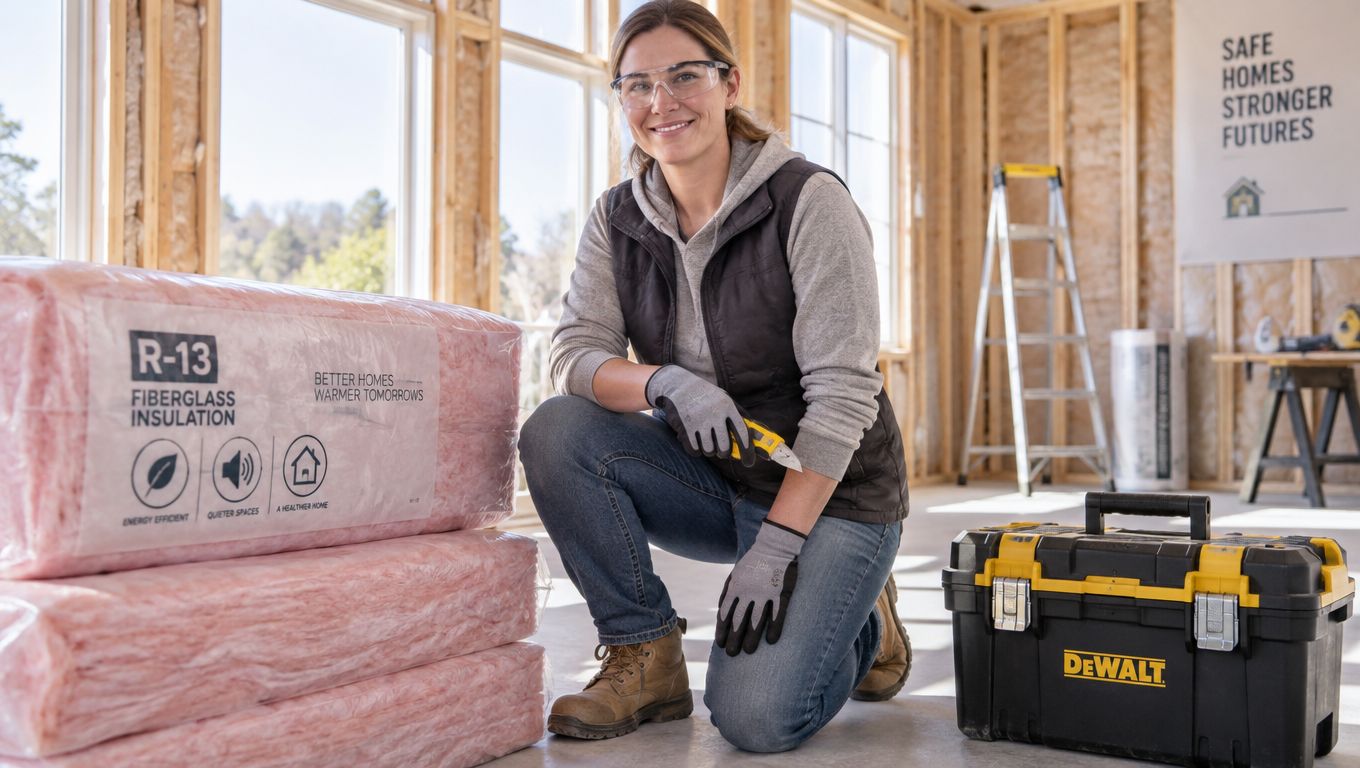
DIY insulation can make sense for a small, open, uncomplicated area where the homeowner understands the product, follows safety requirements, and doesn't need to alter finished surfaces. It becomes much less attractive when the project involves blown-in equipment, spray foam, tight cavities, electrical penetrations, moisture, or drywall repair.
What DIY pricing leaves out
The material receipt is only part of the calculation. You may also need protective equipment, cutting tools, access equipment, disposal, blower rental, temporary dust control, and time to prepare and clean the work area.
The bigger risk is uneven installation. Compressed batts, missing sections, thin blown-in coverage, and unsealed penetrations can leave cold spots and drafts. A homeowner may save labor money but still pay for professional correction, drywall restoration, or removal if the assembly is installed incorrectly.
When professional work is sensible
Hire a professional when the work involves finished walls, suspected moisture damage, difficult attic or crawlspace access, spray foam, extensive air sealing, or a remodel that must pass inspection. Professionals can coordinate insulation with drywall installation, metal stud framing, painting, and finish repair instead of treating each task as an isolated job.
For related wall damage after an insulation retrofit, professional drywall repair services can address access holes, cracks, water damage, and texture matching. A contractor should also explain the planned materials, target depth, ventilation requirements, and cleanup process before work begins.
Good insulation work is partly a materials job and partly a detailing job. The details around edges, penetrations, joints, and moisture determine whether the material performs.
The Long-Term Value and Energy Savings of Quality Insulation
Quality insulation helps separate indoor conditions from Portland's damp winters and warmer summer periods. It slows heat movement through attics, walls, floors, and ceilings, while air sealing addresses the gaps that insulation alone can't close.
The benefit isn't limited to the energy bill. Rooms can feel more consistent, cold floors and drafts can become less noticeable, and interior spaces may be quieter when dense materials are installed in the right cavities. These improvements depend on correct design and installation, not just adding the thickest available product.
Treat insulation as part of an interior upgrade
A well-planned project may combine insulation with drywall replacement, ceiling repair, recessed-light detailing, painting, or framing changes. Coordinating the work can reduce repeated demolition and gives the contractor a chance to inspect the entire wall or ceiling assembly.
Property managers and small commercial owners also benefit from clear scope control. A restaurant, clinic, retail space, or rental turnover needs predictable scheduling, clean work areas, and finishes that are ready for paint or occupancy.
Homeowners should also check current utility, state, and federal programs before budgeting. Eligibility and terms can change, so verify any available tax credit or rebate directly with the responsible program rather than assuming an incentive applies. For broader ideas about affordable energy upgrades, look for guidance that considers the entire building envelope, not insulation alone.
Get Your Free Insulation Estimate Today
Start by identifying the area you want to improve, whether that's an attic, crawlspace, interior wall, exterior wall, ceiling, addition, or commercial space. Take photos of access points and visible damage, then note drafts, cold rooms, water staining, or recent remodeling plans.
Next, request a written inspection-based estimate. It should explain the material, target R-value, preparation, air sealing, removal, access method, drywall restoration, painting, and cleanup. That detail lets you compare proposals fairly and avoid paying for a scope that doesn't address the actual problem.
CS1 Real Interiors serves Portland, Beaverton, Hillsboro, Tigard, Lake Oswego, Gresham, Forest Grove, Cornelius, Tualatin, and Vancouver WA with insulation, drywall repair, drywall installation, interior painting, drywall finishing, and metal stud framing for residential and small commercial projects. The team can help homeowners, builders, property managers, and business owners plan work around water damage, cracks, holes, remodel preparation, and paint-ready Level 4 or Level 5 finishes.
Contact CS1 Real Interiors to request a free estimate for insulation, drywall repair, drywall installation, painting, or a complete interior project. Share the location, access conditions, and any moisture or finish concerns so the team can recommend practical professional help for your Portland-area home or business.