



More Than Just Walls: Choosing the Right Texture for Your Portland Home
Planning a remodel in Beaverton or fixing water damage in a Portland home usually starts with paint colors, flooring, and trim. But the wall and ceiling finish often decides whether the room feels updated, patched together, or professionally done. Texture changes how light hits the surface, how repairs blend in, and how forgiving the walls will be over time.
That matters a lot in older Portland houses with layered repairs, in rental turnovers in Hillsboro, and in custom remodels in Lake Oswego where lighting can expose every seam. Some different sheetrock textures hide minor flaws well. Others create a clean, modern look but demand much tighter drywall finishing.
Drywall itself changed construction for a reason. Modern Sheetrock traces back to 1916, when USG introduced it as a faster alternative to wet plaster, and early drywall systems cut wall and ceiling finishing time to 1/10th of plaster in many applications, according to this history of drywall and Sheetrock. That speed helped make textured and smooth drywall finishes standard across residential construction.
This guide breaks down eight textures homeowners ask about most. You'll see where each one works, where it causes headaches, and when a patch is better left to a professional. If you're trying to match an existing finish, prep a home for sale, or upgrade a dated ceiling, this will help you choose the right direction.
Table of Contents
- 1. Popcorn Texture Acoustic Spray
- 2. Orange Peel Texture
- 3. Knockdown Texture
- 4. Skip Trowel Texture
- 5. Feeling Overwhelmed by the Options
- 6. Swirl Texture
- 7. Comb Texture
- 8. Smooth Finish Levels 4 and 5
- 9. Venetian Plaster A Troweled Smooth Finish
- 9-Point Sheetrock Texture Comparison
- Get a Flawless Finish Trust the Portland Texture Experts
1. Popcorn Texture Acoustic Spray
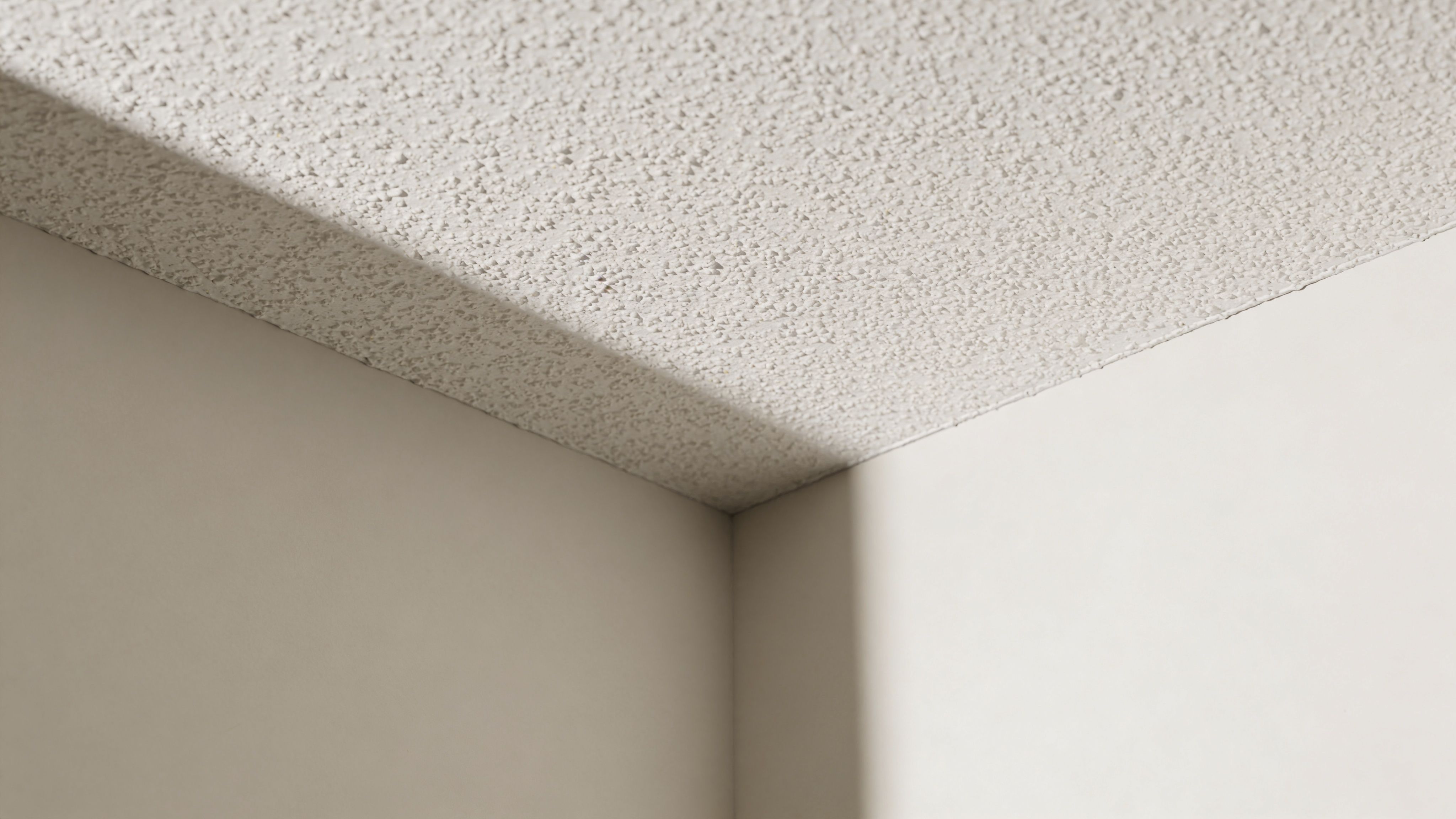
Popcorn ceilings are still common in Portland-area homes built or remodeled decades ago. They hide uneven framing, old patching, and ceiling flaws better than almost any other finish. They also soften sound more than a flat painted lid, which is why some homeowners leave them in place if the ceiling is in good condition.
The problem starts when you need a repair. A roof leak, plumbing issue, or electrical opening can leave a clean patch surrounded by older texture that has aged, yellowed, or flattened in spots. Even if the base repair is solid, the patch can still stand out.
Where popcorn works and where it doesn't
Popcorn is practical on older ceilings that already have broad texture variation. It isn't practical if you're aiming for a current look, easier cleaning, or a smooth resale presentation. Dust catches in it. Cobwebs catch in it. Repainting it without damaging the texture takes care.
For removal, older materials need caution. In older Portland homes, asbestos testing should happen before disturbing an existing popcorn ceiling.
Repairs are the hardest part of popcorn. Matching the size, density, and fall pattern of old acoustic spray is harder than most homeowners expect.
A small patch might seem simple, but spot repair often turns into partial retexture or full ceiling refinishing. That's one reason many owners choose removal instead of patch-after-patch maintenance. CS1 Real Interiors handles popcorn ceiling repair, removal, and retexturing when a dated ceiling needs a cleaner finish.
2. Orange Peel Texture
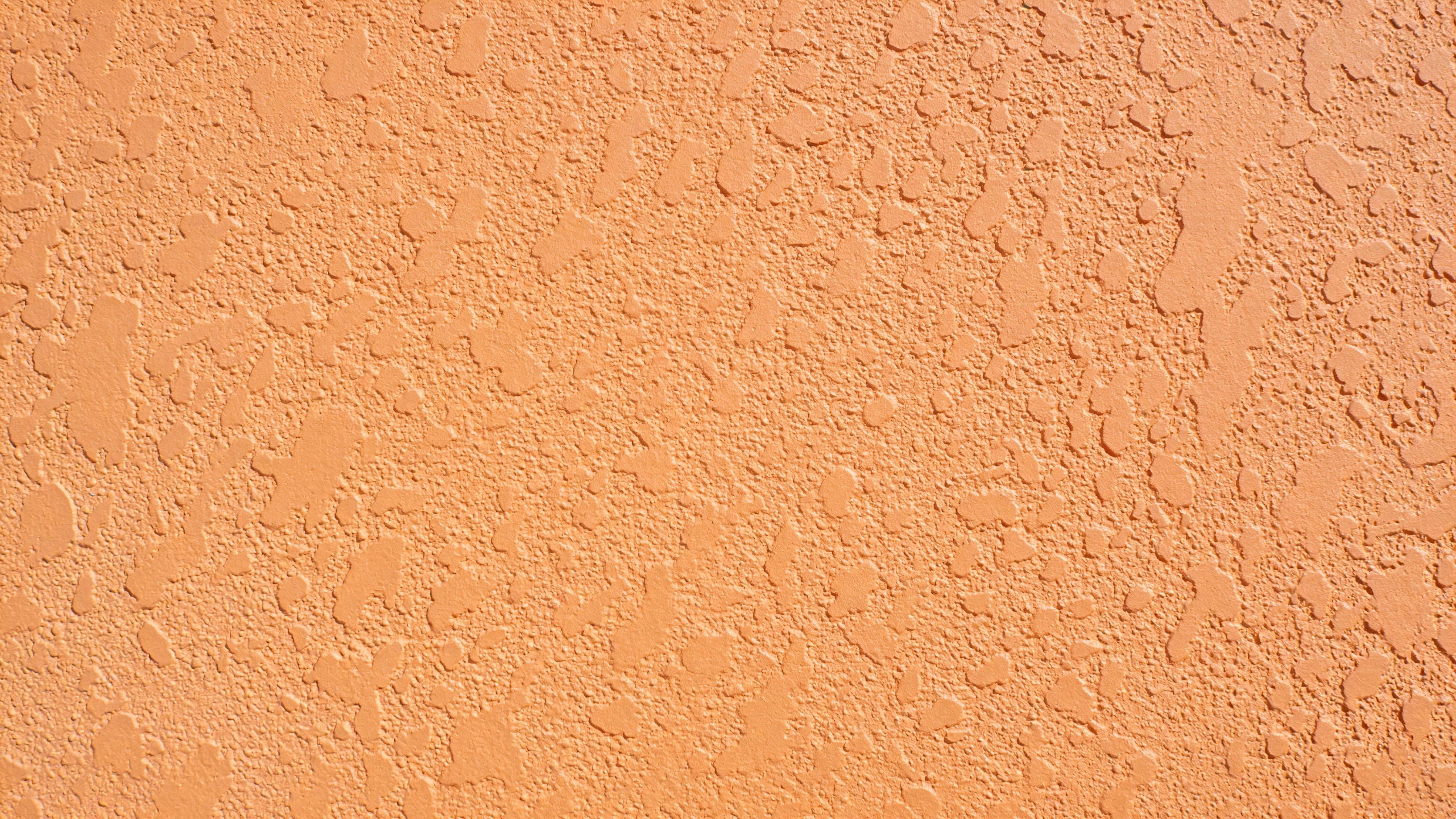
Orange peel is one of the safest middle-ground choices for walls and ceilings. It gives you more forgiveness than a smooth wall, but it doesn't look heavy or overly stylized. In rental units, hallways, kids' rooms, and everyday living spaces, that's often the right balance.
The finish comes from a fine spray pattern that leaves a light, pebbled surface. In practical terms, it helps disguise minor tape lines, small framing irregularities, and everyday wear better than a flat wall does.
Why contractors still use it often
Orange peel and knockdown together held 65% of North American drywall textures revenue as of 2015, according to this drywall textures market analysis. That lines up with what many of us see in the field. These are the textures people know, and they fit a wide range of homes without taking over the room.
For repairs, orange peel sits in the middle on difficulty. A can texture or hopper gun can get you close. “Close” isn't always enough once the primer and finish paint dry.
- Best fit: Rental turnovers, suburban remodels, secondary bedrooms, hallways, and family rooms.
- DIY challenge: Matching splatter density and edge blend around a patch.
- When to hire a pro: Ceiling repairs, visible wall patches, and any repair in strong side lighting.
In Hillsboro and Beaverton, orange peel is a practical choice when the goal is durability without a heavy texture profile. If the wall has water damage or multiple patches, a professional blend and repaint usually saves frustration compared with trying to spot-match it yourself.
3. Knockdown Texture
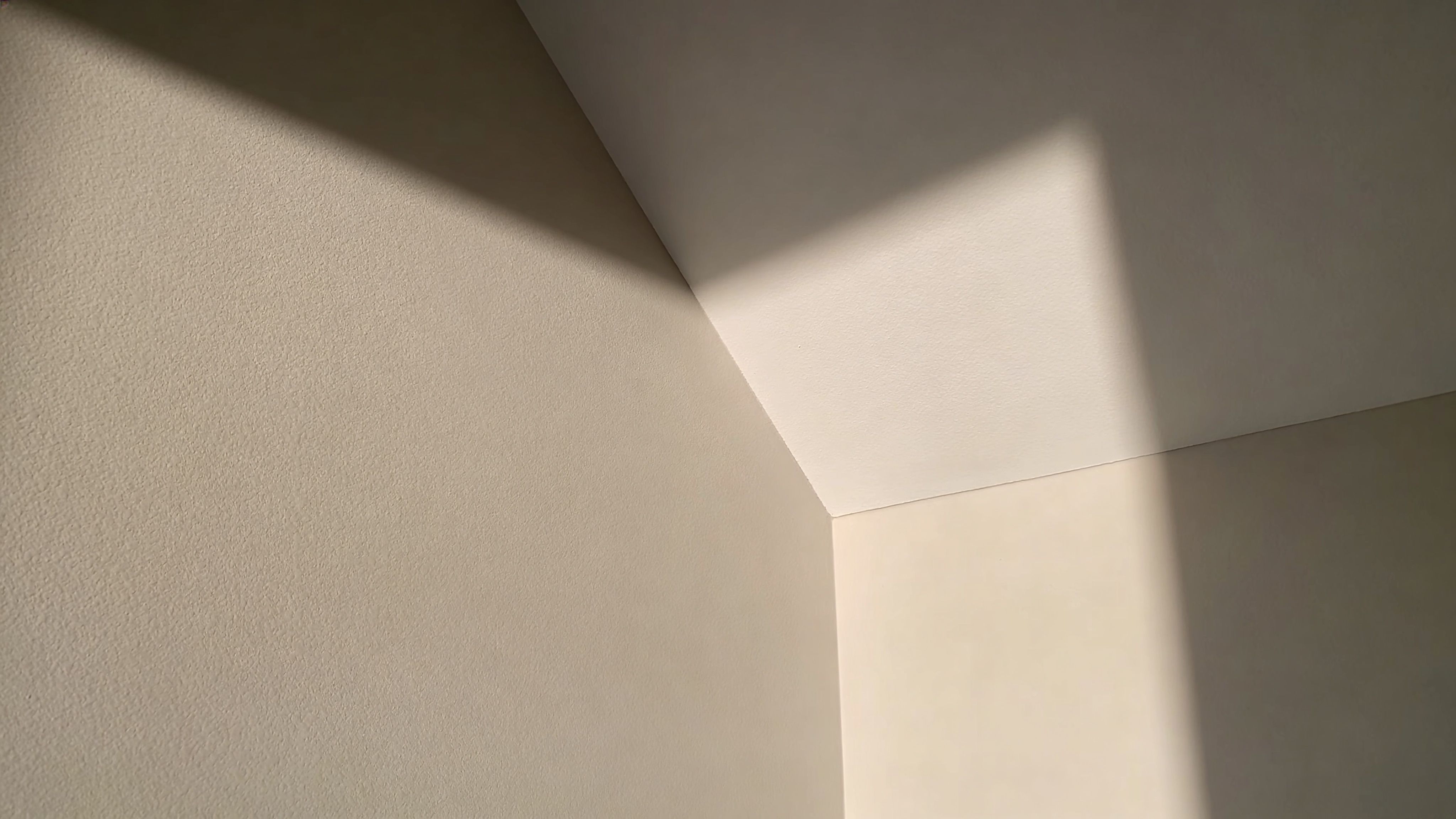
Knockdown gives a room more movement than orange peel. It starts as a sprayed splatter coat, then a wide knife flattens the peaks into a broken, hand-worked pattern. On larger walls and ceilings, that little bit of relief can make a room feel warmer and less plain.
It also isn't just popular by habit. In the North American drywall textures market, knockdown holds the largest revenue share at 35.16% in 2024, with a projected 5.45% CAGR through 2030, according to this knockdown texture market report. That's one reason many remodel clients recognize it right away, even if they don't know the name.
What makes knockdown hard to patch
Many DIY repairs run into trouble when applying texture. The texture depends on mud consistency, spray pattern, room conditions, and timing. If you flatten it too early, it smears. If you wait too long, the knife drags and leaves sharp edges that don't match the field.
Practical rule: If the patch sits where afternoon light hits the wall, don't judge the repair while it's wet. Wait until it's dry, primed, and viewed from an angle.
Knockdown is one of the best different sheetrock textures for hiding ordinary wall imperfections. It's one of the worst for casual touchups. A patch over a plumbing repair in a Tigard kitchen, for example, may look fine from straight on and still flash from the side once painted.
For homeowners, the best move is usually simple. If the repaired area is visible from the entry, near a window wall, or across a large ceiling plane, bring in a pro for texture matching instead of gambling on one small patch turning into a full repaint.
4. Skip Trowel Texture
Skip trowel has a hand-applied look you can't fake with a spray can. The finisher lays mud on thin and skips the trowel across the surface, leaving a mix of smooth areas and raised islands. It works well in homes that lean warm, rustic, Mediterranean, or custom rather than sharp and minimal.
This finish can look beautiful in Lake Oswego remodels and larger custom spaces because it brings texture without the heavy, cottage-cheese look of older acoustic ceilings. It also gives walls character even before paint goes on.
The trade-off with handcrafted texture
Skip trowel looks easy from across the room. Up close, it shows the installer's rhythm. That's why patching it well takes experience. The thickness, pressure, sweep, and spacing all matter.
Historically, textured drywall finishes grew as drywall replaced plaster after World War II, when labor shortages pushed builders toward faster systems and broad drywall adoption accelerated, as explained in this history of drywall after World War II. Hand-applied textures like skip trowel stayed relevant because they brought some of plaster's visual depth back into drywall construction.
- Good choice for: Custom homes, feature walls, larger rooms, and interiors that need warmth.
- Less ideal for: Tight modern spaces, minimalist remodels, or homes where future spot repairs are likely.
- Repair reality: A good patch isn't just flat and sound. It has to match the hand of the original finish.
In older Portland remodels, skip trowel can bridge old-world character and new drywall work well. But if you have water damage, don't let anyone “smooth it out and call it close.” That shortcut usually leaves a patch everyone notices.
5. Feeling Overwhelmed by the Options
A lot of Portland homeowners hit the same wall during a remodel. One room has orange peel, another has a smooth finish, the patched ceiling has an older hand texture, and now every choice affects paint sheen, lighting, repair cost, and how finished the house feels when it goes back on the market.
Texture is not a small cosmetic decision. In this market, buyers notice sloppy transitions, obvious patches, and rooms that feel pieced together. They may not know the texture name, but they can tell when a repair was handled well and when it was not.
CS1 Real Interiors works with homeowners, builders, and property managers across Portland, Beaverton, Hillsboro, Tigard, and nearby areas on drywall repair, installation, texture matching, interior painting, insulation, and metal stud framing. The practical goal is simple. Match the existing finish when it makes sense, improve it when the space calls for it, and avoid creating a mix of surfaces that costs more to correct later.
Get professional help before the patch stands out
Some textures are realistic for a careful DIY patch. Others are not, especially once natural light hits the wall or ceiling. I tell homeowners to judge the repair by the worst lighting in the room, not by how it looks standing directly under it.
The smart question is not just, "Can this be patched?" It is, "Will this patch still look right after primer, paint, and a full day of changing light?" That is usually the line between a quick weekend fix and a repair that protects the home's finish quality and resale presentation.
For straightforward touch-ups, a DIY approach can be fine. For visible ceilings, larger patches, water damage, or any texture that needs a convincing match, professional work usually saves money compared with repainting and redoing a failed repair.
The fastest way to make a repair disappear is to treat it like a finish problem, not just a hole problem.
6. Swirl Texture
Swirl texture shows up most often on ceilings from earlier remodel cycles. It can be light and tidy or broad and decorative, depending on the brush, trowel, and installer's pattern. In many older homes around Gresham and Vancouver, WA, it's still in bedrooms, dining rooms, and living areas where nobody wants to replace the whole ceiling just to fix one damaged section.
The issue is consistency. Swirl isn't random in the way people think. The arcs overlap at a certain spacing, and once one section breaks that rhythm, the eye catches it.
Matching swirl after damage
A patched swirl ceiling often fails at the border. The center may look close, but the transition line tells on the repair. That's especially true after a leak, where the repair crew fixed the drywall but didn't recreate the original pattern carefully.
One underserved problem in the Portland market is texture matching for water-damaged homes. This overview of drywall texture types and repair challenges notes that DIY matches often fail because people ignore surface absorption and blending conditions. That's a real issue in our damp climate, where patched areas can dry differently from surrounding material.
- Works well on: Ceilings with broad existing pattern and homes keeping an older finish style.
- Hard part for DIY: Repeating the exact sweep and overlap of the original pattern.
- Best professional use: Leak repairs, lighting retrofits, and ceiling patches where the repair crosses multiple swirls.
For a swirl ceiling, the right move is usually to repair the substrate cleanly, then blend wider than the damaged spot so the pattern reads as continuous.
7. Comb Texture
Comb texture is more decorative than most homeowners want today, but it still exists in older interiors and occasional statement spaces. The installer drags a toothed tool through wet mud to create repeated lines, fans, or arcs. It has a bold look, and when it's done well, it feels intentional rather than dated.
When it's damaged, though, the geometry becomes the problem. A loose recreation stands out immediately because line spacing and groove depth have to stay consistent.
Where it can still make sense
Comb texture fits best where the finish itself is part of the design. That might be a vintage home retaining original character or a feature area that isn't trying to disappear. It is not a forgiving texture for rooms that get frequent repairs or patching.
A comb pattern doesn't hide a repair. It tests whether the repairer can repeat the original layout.
This is one of the few textures where I would almost never encourage a homeowner to spot-repair a visible area. Even skilled DIYers can produce a neat texture that still looks wrong because the pattern doesn't align with the rest of the wall.
If you manage a rental or small commercial space in Portland and uncover comb texture during remodeling, it may be more practical to skim and convert the surface than to preserve a damaged pattern. CS1 Real Interiors can look at the condition, the room use, and the finish goal before recommending repair, retexture, or full smoothing.
8. Smooth Finish Levels 4 and 5
Smooth walls are where every drywall mistake shows. That's also why they look so clean when they're done right. A standard smooth wall is typically a Level 4 finish. A Level 5 finish goes further by skim coating the full surface so joints, fasteners, and board face differences don't telegraph through paint.
In modern remodels around Portland, smooth walls have become the look many homeowners ask for first. Recent regional reporting says smooth drywall comprised 65% of installs in Northwest Oregon and Southwest Washington in 2025, up from 45% in 2023, according to this regional overview of modern drywall texture types. That tracks with what many high-end renovations are choosing, especially where LED lighting hits long walls and ceilings.
Why smooth is less forgiving than it looks
Smooth finish is simple visually, not simple technically. On a large wall, light from windows, sconces, or recessed fixtures will reveal hump, dip, scratch, and flashing fast. A patch that disappears under flat daylight can show every edge by evening.
For repainting and remodel prep, this finish pays off when the framing is good, the drywall work is tight, and the painter gets a properly prepared surface. It is a bad candidate for rushed patching.
If you're planning a full update, Level 5 drywall finishes in Portland are often worth considering for living rooms, kitchens, entries, offices, and small commercial interiors. For city-specific service coverage, homeowners can also review Portland drywall contractor services.
- Level 4: Good standard smooth finish for many residential walls.
- Level 5: Best for critical lighting, premium paint jobs, and high-visibility areas.
- DIY reality: Small repairs are possible. True invisible blending is hard.
- Professional value: Better prep means fewer visible seams after paint.
9. Venetian Plaster A Troweled Smooth Finish
Venetian plaster isn't standard drywall texture, but homeowners often group it into the same conversation because it changes the wall surface so dramatically. It's a polished plaster finish applied over a properly prepared smooth substrate, usually in multiple thin coats, then worked to create depth and sheen.
This is a statement finish. It belongs on accent walls, powder rooms, entries, fireplaces, or other areas where the wall should read as a material, not just a painted surface.
Why the substrate matters first
No decorative plaster can save bad drywall underneath. If the base isn't flat and stable, the final finish will highlight the problem instead of hiding it. That's why drywall prep matters even more here than it does under ordinary paint.
Venetian plaster also isn't a practical patch-and-go finish for typical wall damage. If a plumbing repair cuts through it, the repair may require a specialist who understands both plaster appearance and the underlying drywall system.
For Portland homeowners who want a cleaner modern home overall, smooth drywall plus quality paint usually makes more sense than specialty plaster in every room. But for one feature area, Venetian plaster can add depth that standard paint and texture can't replicate.
9-Point Sheetrock Texture Comparison
| Title | Implementation complexity | Resource requirements | Expected outcomes | Ideal use cases | Key advantages |
|---|---|---|---|---|---|
| Popcorn Texture (Acoustic Spray) | Low to apply; high for safe removal | Spray equipment; possible asbestos testing/abatement for older homes | Bumpy, sound-dampening surface that hides imperfections; dated appearance | Budget ceilings, retrofit acoustic needs, older homes (with caution) | Inexpensive; conceals flaws; acoustic reduction |
| Orange Peel Texture | Medium | Hopper gun or aerosol spray; moderate skill to match density | Subtle, uniform bumpy finish that is durable and cleanable | Rentals, new suburban construction, high-traffic areas | Cost-effective; hides minor flaws; easy to maintain |
| Knockdown Texture | High | Sprayer and wide knockdown knife; skilled timing and technique | Varied, stucco-like flattened peaks that add dimension | Modern homes, large accent walls, areas needing character | Decorative yet forgiving; conceals broader imperfections |
| Skip Trowel Texture | Very high (artisan) | Trowels, multiple mud layers, experienced applicator | Random, layered rustic pattern with strong visual character | Custom homes, Mediterranean/Southwestern styles | Unique handcrafted appearance; high character |
| Mid-Article CTA | Not applicable | Contact/consultation resources | Access to professional estimates and service coordination | Homeowners unsure about texture or repair choices | Connects to expert services and guarantees |
| Swirl Texture | High | Trowel or brush and practiced hand | Overlapping circular/fan patterns that vary in prominence | Ceilings in older homes; period-accurate repairs | Distinctive decorative ceiling finish |
| Comb Texture | Very high | Toothed trowel/comb and precision technique | Repeating linear or fan patterns with strong geometry | Statement walls, artistic interiors, feature areas | Bold, repeatable graphic texture; custom expression |
| Smooth Finish (Levels 4 & 5) | High to expert (Level 5 requires master-level skill) | Multiple skim coats, sanding tools, experienced finishers | Flawless flat surface (Level 5 is near-perfect, minimizes flashing) | Luxury homes, galleries, high-gloss or critical lighting areas | Pristine, modern aesthetic; best surface for premium paint |
| Venetian Plaster (Troweled Smooth Finish) | Expert only | Lime putty, marble dust, burnishing tools, specialist plasterer | Polished, stone-like surface with depth and subtle sheen | Statement walls and high-end luxury interiors | Luxurious, durable, richly textured patina |
Get a Flawless Finish Trust the Portland Texture Experts
A wall can pass a quick glance and still become an expensive finish problem later. Around Portland, the texture you choose affects resale appeal, how well repairs blend in, and how much everyday wear shows once paint is on the wall.
I tell homeowners the same thing all the time. Texture is not just decoration. It changes how a room looks, how future repairs read under natural light, and whether a patch disappears or stays visible every time you walk by it.
That matters here because Portland homes cover a wide range. In older houses, the job is often matching an existing finish after water damage, settling cracks, electrical work, or plumbing access. In newer homes in Beaverton, Hillsboro, and Tigard, the decision is usually about value and upkeep. A builder-grade orange peel or knockdown finish is often easier to maintain. A smooth wall can give the room a cleaner, more current look, but it also demands better prep, straighter surfaces, and tighter finish work, especially where side light hits the wall.
Lighting changes the whole result.
I have seen solid drywall repairs spoiled by a poor texture match. The patch was structurally sound, but the finish still stood out. Homeowners usually notice it after primer or after the final coat of paint, when the wall reflects light differently and every shortcut shows.
That is why the DIY question matters. A careful homeowner may be able to handle a small orange peel repair in a low-visibility area. Matching skip trowel on a ceiling, blending knockdown across a broad wall, or producing a true Level 5 finish in a room with critical lighting usually calls for a trained finisher. The cost difference upfront is often smaller than the cost of repainting and reworking a patch that never matched in the first place.
CS1 Real Interiors handles drywall repair, installation, texture matching, smooth finishing, interior painting, insulation, and metal stud framing for residential and small commercial projects across the Portland metro area. The work often starts with a practical question. Spot repair, full retexture, or smooth skim. In many homes, covering one patch leads to chasing mismatched areas around the room, and a wider reset ends up being the better investment.
If you are weighing whether to keep an older texture or update to something that fits the house better, get the surface assessed before paint goes on. That gives you a clear scope, a realistic budget, and a finish plan that supports the value of the room instead of fighting it later.
If you're in Portland, Beaverton, Hillsboro, Tigard, Lake Oswego, Gresham, or Vancouver, WA, CS1 Real Interiors can help with drywall repair, texture matching, smooth finishing, interior painting, insulation, and metal stud framing. Request a free estimate to get a clear plan for your wall or ceiling project before small finish issues turn into bigger repaint or remodel problems.


