


You notice it at the worst time. A ceiling crack right before guests arrive. A soft patch under a bathroom leak. A wall repair that looked small until the paint went on and every seam showed. Most homeowners don’t start searching for drywall contractors because they want to. They start because something in the house needs attention now, and they don’t want to hire the wrong crew.
That hesitation is reasonable. Drywall work looks simple from across the room, but bad work is hard to hide. Poor patching flashes under paint. Texture mismatches stand out every day. Sloppy cleanup leaves dust in vents, on floors, and across furniture. If the crew is unreliable, the stress gets bigger than the repair itself.
In Portland, Beaverton, Hillsboro, Tigard, Lake Oswego, Gresham, and Vancouver WA, the challenge isn’t just finding someone who says they do drywall. It’s finding someone who shows up, protects the home, communicates clearly, and leaves walls ready for paint instead of ready for another repair.
Table of Contents
- Your Guide to Hiring the Right Drywall Professional
- Where to Find Reputable Drywall Contractors in the Portland Area
- The Vetting Process Critical Questions to Ask Before You Hire
- Decoding Bids and Understanding Drywall Services
- Common Red Flags and How to Protect Yourself
- What to Expect When the Work Begins
- Frequently Asked Questions About Drywall Work
Your Guide to Hiring the Right Drywall Professional
A drywall contractor isn’t just patching a wall. They’re working inside your daily life. They’re in bedrooms, kitchens, hallways, and living spaces where dust control, noise, schedule discipline, and finish quality all matter.
That matters even more because there are a lot of providers in the market. The global drywall contractor market was valued at USD 47.8 billion in 2024, which gives homeowners a sense of how many companies and crews are competing for this work, and why careful vetting matters so much according to drywall market data from DataHorizzon Research.
Some projects are straightforward. A doorknob hole in a hallway. A stress crack above a door. A small ceiling patch after electrical work. Others aren’t. Water-damaged drywall, texture matching in an older Portland home, prep for a kitchen remodel, or smooth wall finishing in a room with strong natural light all require a different level of skill.
Good drywall work disappears. Bad drywall work keeps announcing itself every time the light hits the wall.
The hiring decision should match the project. If you only compare prices, you’ll miss the things that determine whether the job goes well:
- Surface quality: Can the contractor produce a repair that blends with the surrounding wall or ceiling?
- Jobsite discipline: Do they protect floors, isolate dust, and clean up daily?
- Communication: Will you know when they’re arriving, what happens each day, and whether drying time will affect the schedule?
- Trade coordination: If the project also needs insulation, painting, or metal stud framing, can one contractor handle the full interior scope cleanly?
For homeowners in the Portland metro area, the safest path is to treat this like a hiring decision, not a quick purchase. The right drywall professional saves time, protects resale appeal, and keeps a repair from turning into a long-running frustration.
Where to Find Reputable Drywall Contractors in the Portland Area
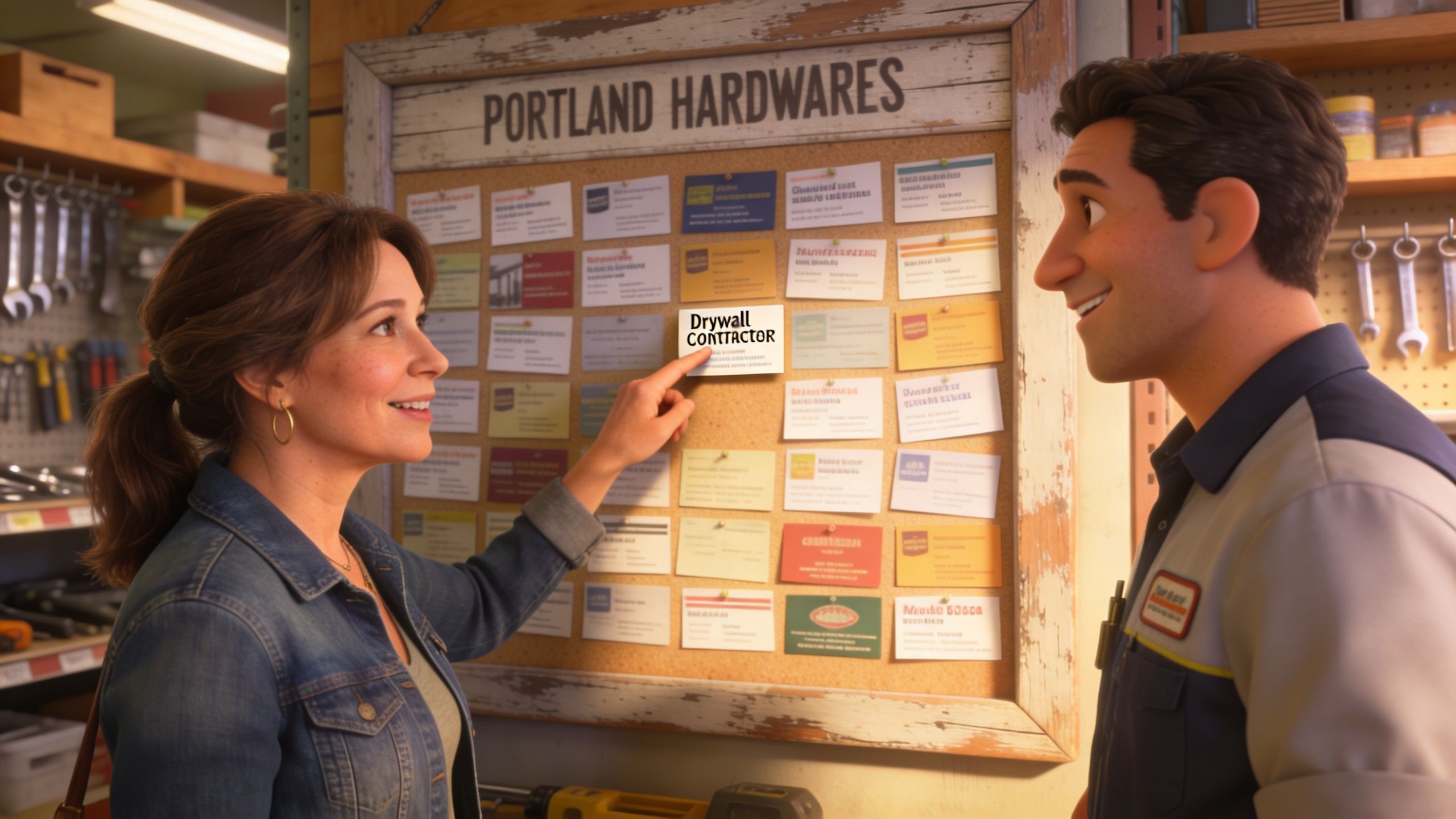
The best search doesn’t start with a directory. It starts with people who’ve already let a contractor into their home or jobsite and would do it again.
Start close to home
If your neighbor in Beaverton just finished a remodel and the walls look sharp under paint, ask who did the work. If a friend in Lake Oswego had a ceiling repaired after a leak and the patch is invisible, that referral carries more weight than a generic listing.
A real referral gives you useful detail. You can ask whether the crew arrived when promised, whether the house stayed reasonably clean, and whether the finish still looks good after paint dried and normal lighting returned.
Use trade relationships to your advantage
General contractors, remodelers, and builders usually know which drywall contractors they trust on active projects. So do local supply counters. The crews who buy quality materials consistently and stay organized tend to build a reputation in the trade long before homeowners see their name online.
This approach is especially useful for more demanding work, such as:
- Texture matching: Older homes in Portland and Gresham often have patched areas from past plumbing or electrical work.
- Smooth wall finishing: Modern remodels in Hillsboro and Tigard often need a cleaner look than standard patch-and-paint work.
- Small commercial interiors: Clinics, retail spaces, and restaurants need crews who can work cleanly around scheduling pressure.
Ask who builders call when they need the job to look right the first time. That answer is often more useful than a star rating.
Search like you know what you need
If you do search online, be specific. Search for the actual scope, not just “drywall contractors.” Someone who specializes in repair, water damage restoration, Level 5 finishing, or texture blending is often a better fit than a general handyman profile.
Look for signs of a real operating business:
- Project-specific service pages instead of a vague all-purpose profile
- Local service coverage for areas like Portland, Beaverton, and Vancouver WA
- Clear photos of completed interiors
- A real contact path rather than only a lead form
- Evidence they handle related scopes if your project includes paint prep, insulation, or framing
If you’re trying to verify local availability, it also helps to check whether the company works in your area, such as drywall services in Portland and the surrounding metro area.
The Vetting Process Critical Questions to Ask Before You Hire
Once you have a shortlist, stop looking at marketing and start interviewing. During this stage, homeowners separate polished sales talk from actual professionalism.

Complaints and forum discussions around contractors commonly point to the same problems: poor finishes, missed deadlines, and no-shows. That’s why communication habits and jobsite professionalism are worth more than a smooth estimate appointment, as noted in BBB complaint patterns and reliability concerns.
Start with license scope and crew structure
Ask for the contractor’s license information for the state where the work will be done, then verify it yourself. In Oregon, that means checking the CCB. In Washington, check the applicable registration. Don’t accept “we’re covered” as the full answer.
Then ask who will be in your house.
- In-house crew or subs: A company using a stable crew usually has tighter quality control than one assembling whoever is available that week.
- Daily supervision: Find out who is responsible for the finish quality, schedule, and cleanup.
- Project type match: A contractor may be fine at hanging sheets in new construction and still be weak at detailed repair and texture matching in occupied homes.
Most important question: “Who will do the work in my home each day, and who is accountable if the finish or schedule slips?”
That single question tells you a lot. If the answer is vague, expect vague accountability later.
Ask about process not promises
A professional should be able to explain the job in sequence. Not just “we’ll take care of it,” but how they’ll protect the home, how many visits the repair likely requires, what finish level they’re proposing, and what the room will look like at the end of each day.
Ask direct questions like these:
- Dust control: How do you protect floors, furniture, and adjacent rooms during sanding?
- Water damage: Do you replace damaged material only after the source of moisture is resolved?
- Texture approval: Will you test or confirm the texture approach before finishing the full repair area?
- Painting coordination: Is the patch being left paint-ready, or is priming and painting part of the scope?
- Safety: Do you maintain OSHA-compliant work practices and orderly jobsite conditions?
A clean site is not cosmetic. It usually reflects the crew’s discipline. Contractors who protect floors carefully, stack materials neatly, and clean as they go tend to be more consistent in the hidden parts of the job too.
If you want a local team for that conversation, CS1 serves the entire Portland metro area.
For homeowners who want to see a general example of what hiring and planning can look like, this short video gives useful context before the estimate visit.
Decoding Bids and Understanding Drywall Services
You get three bids for the same wall repair, and the prices are nowhere close. That usually means you are not looking at the same scope of work.
A drywall estimate should make the job easy to understand before anyone cuts a sheet or opens a bucket of mud. If the language is vague, the contractor has room to lower the standard later. Homeowners usually feel that gap at the end of the job, when the patch flashes under paint, the texture does not blend, or the cleanup was never part of the price.
The safest way to compare bids is to read them like a scope sheet, not a total at the bottom of the page. Reliable contractors spell out what they are repairing, how far the finish work goes, what protection is included, and what condition the surface will be in when they leave. That level of clarity matters more than a polished listing profile or a five-star directory page. In occupied Portland homes, I put more weight on whether a crew writes clearly, keeps a clean site, and works to OSHA standards than on how cheap the number looks online.
What a professional bid should include
A solid drywall bid usually identifies:
- Work areas: The specific walls, ceilings, rooms, or damaged sections included
- Service type: Repair, replacement, new hanging, skim coating, texture blending, or finishing
- Materials: Drywall board, tape, mud, corner bead, texture materials, and any framing or insulation if part of the job
- Finish level: The expected finish quality, especially if the surface will receive smooth paint or sit under strong natural light
- Site protection and cleanup: Floor covering, dust control, debris haul-off, and whether cleanup happens daily or only at the end
- Payment terms: Deposit amount, progress payments if used, and when final payment is due
One short sentence matters here. If it is not written into the bid, do not assume you are getting it.
Price ranges can help set expectations, but they do not tell you much by themselves. A small patch and a paint-ready repair can both be called drywall repair, even though the labor, drying time, sanding, and finish expectations are different. Ultimately, what matters is what standard the contractor is pricing to.
Finish level is where bids often separate. One contractor may be pricing a basic Level 4 finish that works fine in lower-visibility areas. Another may be pricing Level 5 because the room has large windows, smooth ceilings, or lighting that shows every joint. That is not upselling by itself. In the right room, it is the honest scope.
For Portland-area repairs, remodel prep, or paint-ready wall work, one local option is professional drywall repair services from CS1 Real Interiors.
Drywall Finish Levels Explained
The finish level affects what you see after primer and paint go on. That is when rushed work shows up.
| Finish Level | Description | Best For |
|---|---|---|
| Level 4 | Standard taped and finished surface suitable for many painted interiors | Typical bedrooms, hallways, and areas with lower visual demand |
| Level 5 | A higher-end smooth finish with a skim-coated surface for a more uniform appearance | Living spaces, remodels, modern interiors, and rooms with critical lighting |
A low bid often leaves out the labor that makes the wall disappear.
If one estimate includes Level 5 and another does not, those prices are not equal. The same goes for texture matching, protection of finished floors, or multiple return visits to complete the drying and sanding properly. Good contractors price those details because they know where drywall jobs usually go wrong.
Common Red Flags and How to Protect Yourself
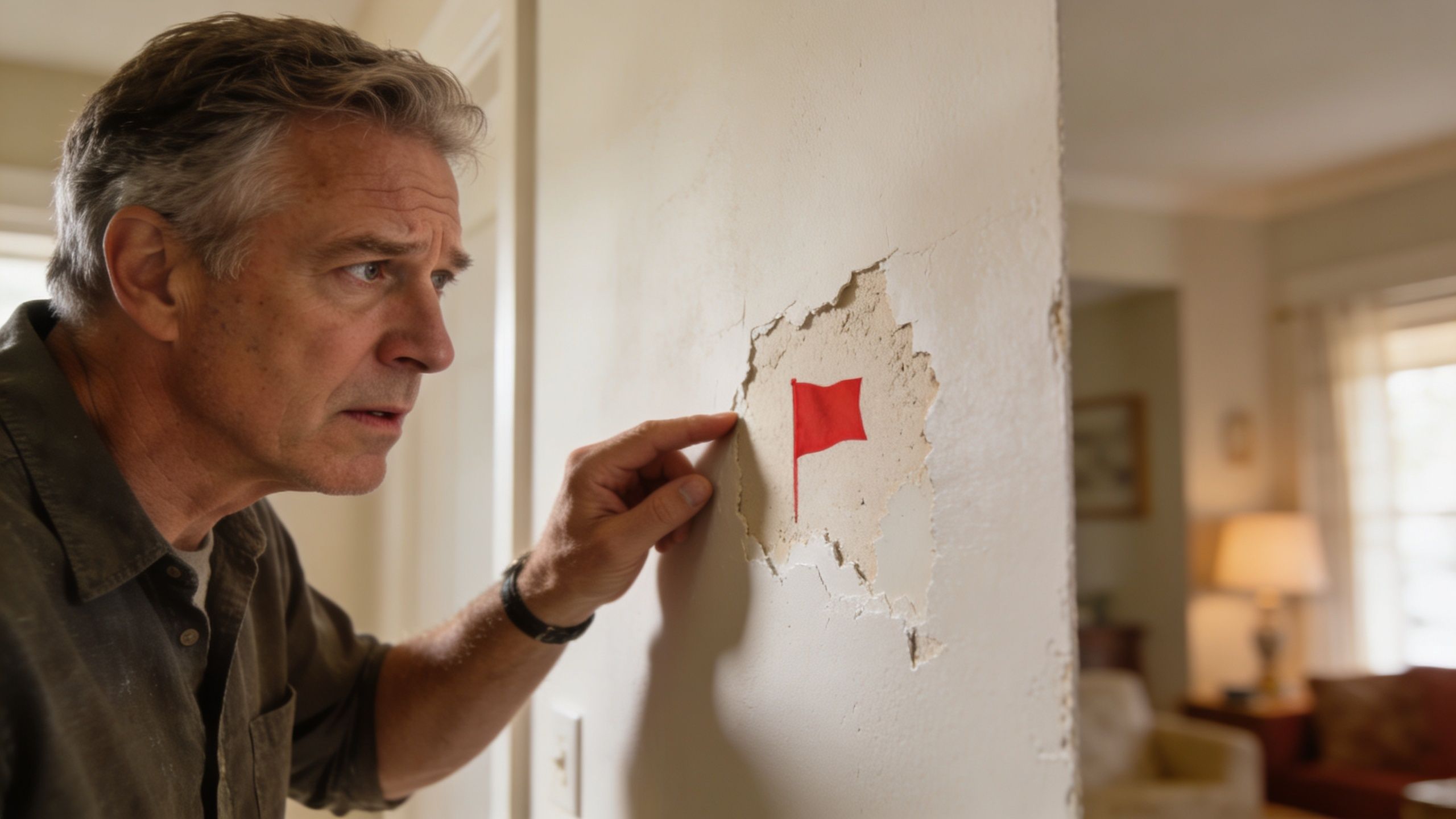
The cheapest number on paper can be the most expensive choice in the house. Drywall problems don’t just stay in the wall. They show up in delays, dust, callbacks, repainting, and awkward conversations when the contractor stops answering.
Warning signs before work starts
Some red flags are obvious. Others get brushed off because the homeowner wants the project moving. That’s usually when trouble begins.
Watch for these early signs:
- Verbal-only pricing: If the scope isn’t written down, disputes are almost guaranteed.
- Poor communication before the job: If they miss calls, show up late to the estimate, or answer basic questions vaguely, that pattern usually continues.
- No clear site protection plan: Contractors who don’t talk about dust, floor covering, or cleanup often don’t prioritize those things.
- Pressure to commit fast: A professional doesn’t need to force a same-day signature.
- Unclear responsibility: If you can’t tell who is managing the crew or approving the finish, don’t expect smooth problem-solving later.
A weak estimate process often predicts a weak project. That’s especially true for occupied homes where respect for the space matters as much as the patch itself.
How to protect your home and budget
You don’t need to become a drywall expert to avoid a bad hire. You just need a few firm standards.
Use this simple filter:
- Get everything in writing. Scope, finish expectations, prep, cleanup, payment schedule, and what happens if hidden damage is found.
- Match the contractor to the task. A small patch, full-room skim coat, and post-leak ceiling repair are not interchangeable jobs.
- Ask how the home will be protected. The answer should be specific, not casual.
- Pay attention to how they handle details now. Contractors who are organized during estimating are usually more organized during execution.
If a contractor acts like your questions are a problem before the job starts, your project will become the problem once the job is underway.
Homeowners should rely on pattern recognition. Respect, clarity, and follow-through aren’t extras. They’re signs that the work will be managed properly from the first day to the final touch-up.
What to Expect When the Work Begins
Once the contract is signed, a good drywall project follows a visible rhythm. Protection first. Then demolition or repair prep if needed. Then installation, taping, drying, sanding, finish correction, and cleanup.
That sequence matters because drywall isn’t a one-visit trade when quality counts. Even a small repair often needs return trips so each coat can dry before the next step. Homeowners get nervous when they don’t see constant activity, but drying time is part of proper finishing.
How a typical project moves
On day one, the crew should protect the work area. Floors get covered. Furniture gets moved or wrapped. Adjacent areas may be screened off if sanding dust is expected.
If damaged drywall is being removed, this is also when the crew checks the substrate, framing, or surrounding material for anything that could affect the repair. In water-damage situations, the source issue should already be corrected before finish work moves forward.
Then comes the finishing cycle. Tape and joint compound are applied in stages, with time between coats. Sanding happens after the material cures enough to shape cleanly. Final texture or smooth finish work comes after the surface is ready, not before.
What a skilled crew does differently
The U.S. drywall and insulation industry supports 353,665 workers in 2026, and a large labor base doesn’t automatically mean every crew delivers the same consistency. Homeowners benefit when they hire contractors that invest in stable, skilled labor and repeatable process, as reflected in BLS-linked industry workforce data.
You can usually see that professionalism in small things:
- They arrive with a plan for the day
- They keep tools and materials organized
- They communicate when drying time affects scheduling
- They don’t rush the finish just to leave early
- They leave the room usable, or clearly explain when it won’t be
A homeowner in Portland doing a kitchen remodel will experience this differently than a property manager turning a unit in Gresham or a clinic preparing a small build-out in Vancouver WA. But the standard should stay the same. Clear schedule, controlled mess, careful finish, no surprises.
Frequently Asked Questions About Drywall Work
Do I need a permit for drywall repair
Usually not for small repairs such as patching holes, fixing cracks, or replacing a limited damaged section. If the drywall work is part of a larger remodel involving moved walls, framing changes, plumbing, or electrical updates, permit requirements may apply to the broader project. Ask before work starts, not after demolition.
How long does a small drywall repair take
The active labor may be short, but the calendar time is often longer because compound needs to dry between coats. That’s why a repair that looks minor can still involve multiple visits. Rushing this step is one of the most common reasons patches remain visible after paint.
Can existing texture really be matched
Often, yes. Common textures can usually be blended well when the contractor has enough experience and takes time to evaluate the surrounding surface. The challenge is rarely the product alone. It’s the judgment involved in pattern, thickness, and how the repaired area ties into the old wall.
Should I hire one contractor for drywall and painting
If the project needs both, it can simplify scheduling and reduce finger-pointing about final surface quality. The key is confirming where the drywall scope ends and where primer or paint begins.
Have a project that needs professional attention? From small drywall repairs to full interior finishing, our team at CS1 Real Interiors is ready to help. We offer expert solutions for homeowners and builders across the Portland area. Get in touch for your free, no-obligation estimate today!
If you need help with drywall repair, installation, interior painting, insulation, or metal stud framing in Portland, Beaverton, Hillsboro, Tigard, Lake Oswego, Gresham, or Vancouver WA, contact CS1 Real Interiors. Request a free estimate, get clear answers about your project, and work with a contractor that treats clean sites, communication, and finish quality like part of the job, because they are.