



A lot of people search drywall contractors near me when they're already dealing with a problem they didn't plan for. A ceiling stain shows up after a leak. A doorknob punches a hole in the wall. A remodel opens up old framing, and suddenly the room needs new board, taping, sanding, texture, and paint-ready walls before anything else can move forward.
That search feels simple, but hiring the right drywall contractor isn't. In Portland, Beaverton, Hillsboro, Tigard, Lake Oswego, Gresham, and Vancouver WA, homeowners and property managers often need more than “someone who can patch drywall.” They need a contractor who can diagnose whether the board should be repaired or replaced, match existing texture, control dust, and leave a wall that won't keep showing the repair every time afternoon light hits it.
Online search results don't always help much. You'll find directories, ads, and a lot of vague promises. If you want a practical way to sort through the noise, this guide to boosting local visibility gives useful context on why certain local contractors show up in search in the first place. Visibility and quality aren't the same thing, which is exactly why homeowners need a better hiring filter.
Table of Contents
- That Unsettling Search for Drywall Contractors Near Me
- Decoding Drywall Services What You Really Need
- Setting a Realistic Budget and Timeline in Portland
- Your Project Deserves a Professional Get a Free Estimate
- Your Hiring Checklist 7 Questions to Ask Any Contractor
- Red Flags That Signal a Bad Drywall Hire
- The Professional Drywall Process from Start to Finish
That Unsettling Search for Drywall Contractors Near Me
The usual call starts with urgency. A homeowner in Portland notices a brown ring on the ceiling under an upstairs bathroom. Someone in Beaverton has cracks reopening above a doorway. A landlord in Hillsboro needs wall repairs and repainting between tenants, and the new move-in date isn't flexible.
Drywall problems always look smaller than they are. The visible part might be a stain, a seam, or a soft spot. The main question is what caused it and what the finished wall needs to look like when the job is done. A patch that's “good enough” in a garage won't hold up visually in a living room with large windows and smooth paint.
Good drywall work doesn't just close the hole. It makes the wall look intentional again.
Local search matters, but not for the reasons commonly assumed. Proximity is useful. Response time is useful. What matters more is whether the contractor works cleanly, explains scope clearly, and knows the difference between a cosmetic patch and a durable repair.
In older Portland homes, that can mean blending irregular wall surfaces, dealing with previous repairs, or tying new drywall into existing finishes without creating obvious transitions. In newer homes in Lake Oswego or Tigard, the challenge is often the opposite. Smooth walls, sharp lighting, and cleaner design make flaws more visible, not less.
A reliable contractor should help you answer a few practical questions fast:
- Is this repairable or should the damaged section be replaced
- Will the repair need texture matching or a smooth-wall finish
- Is painting included, or are you only getting drywall work
- What protection will be used for floors, furniture, and dust control
That's the difference between hiring a name from a list and hiring a contractor with a process.
Decoding Drywall Services What You Really Need
A lot of bad drywall decisions start with the wrong scope. Homeowners ask for “repair” when they need replacement. They ask for “installation” when the actual issue is finishing. They approve a patch without realizing the room needs better texture blending or a higher finish level to look right after paint.
Repair, installation, and finishing are different jobs
Drywall repair fixes localized damage. That includes nail pops, cracks, dents, medium holes, water-damaged sections, and ceiling patches. The challenge isn't only replacing missing material. The hard part is getting the repair to disappear after sanding, texture, primer, and paint.
If the board got wet, it helps to understand what moisture does to gypsum and paper facing before anyone starts mudding over stains. This overview of what happens when drywall gets wet is a useful primer for homeowners deciding whether they're dealing with a stain, a soft board, or damage that needs cut-out and replacement.
Drywall installation is what you need for remodels, additions, basement finishing, room reconfiguration, and small commercial build-outs. That scope often includes hanging board, taping, corner bead, sanding, and getting surfaces ready for primer and paint. If insulation or metal stud framing is part of the project, those trades need to be coordinated correctly so the drywall phase doesn't stall.
For repair-specific scope in the Portland metro, a detailed drywall repair service page can help you compare your issue against common repair situations before you schedule an estimate.
Why Level 5 matters more than most homeowners realize
Finish level is where many homeowners get tripped up. They hear “paint-ready” and assume every wall finish is the same. It isn't.
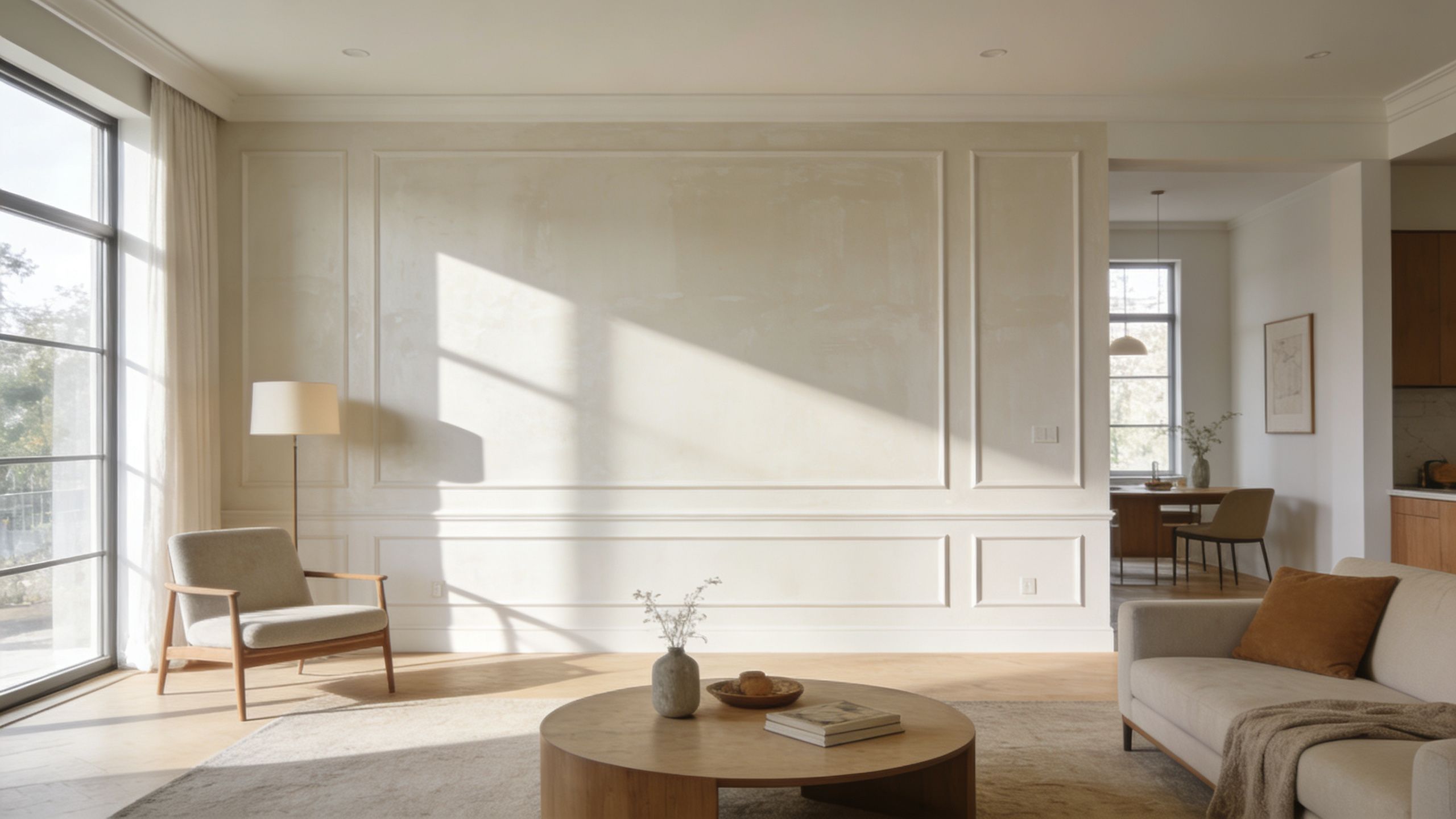
A Level 5 finish is the highest standard for smooth-wall interiors, specifically used when walls will be exposed to strong side lighting or glossy paint. The process adds a full skim coat over the entire surface after taping, which reduces joint shadowing and creates a uniform, paint-ready surface for premium residential and commercial spaces, as described by Milwaukee Drywall Pros.
That matters in modern homes and remodeled spaces around Beaverton, Tigard, and Portland where large windows, recessed lighting, and smoother paint sheens make every seam easier to see.
Think of it this way:
- Basic patching closes damage
- Standard finishing makes the area usable
- Higher-level finishing controls what the eye sees after paint and lighting are in place
If a wall will be viewed across a room in flat light, tolerance is wider. If it will be viewed up close under side light, the finish standard has to rise.
Texture matching is its own skill. Matching old hand texture, orange peel, knockdown, or a partially painted patch takes judgment. Good contractors talk about that up front because the final appearance depends as much on blending as it does on patching.
Setting a Realistic Budget and Timeline in Portland
A Portland homeowner gets three drywall quotes for what looks like the same job. One number seems low, one feels high, and one contractor starts talking about paint sheen, window light, and access up a narrow stairwell. That difference usually comes down to scope. Contractors are not always pricing the same result.
Drywall pricing in Portland, Beaverton, and Hillsboro gets confusing fast because a small patch, a ceiling cut-out from water damage, and a full-room rehang all fall under "drywall repair." The work is not equivalent. Neither is the finish homeowners expect at the end.
The clearest way to budget is to separate the job into three parts: how much drywall is affected, what finish quality the room needs, and what job conditions slow production. A clean, empty room with easy access costs less to repair than an occupied upstairs bedroom where furniture has to be protected, debris has to be controlled, and the patch has to disappear under afternoon side light.
In the Portland market, small cosmetic repairs usually stay at the low end of the range. Costs climb when the repair involves water damage, insulation checks, framing issues, larger cut-outs, texture matching, or a smooth-wall finish that has to hold up after primer and paint. That is why two quotes can be far apart without either one being wrong.
What pushes a quote up or down
A lower quote often covers the board repair only. A higher quote may include dust protection, demolition, disposal, multiple finish coats, texture blending, sanding, cleanup, and a surface that is ready for primer. Those are different scopes.
Access matters too. Older Portland homes often have tighter hallways, plaster transitions, uneven framing, and previous patchwork hidden under paint. In Beaverton and Hillsboro, newer homes can be easier to work in, but large windows and open layouts tend to expose every seam and ripple. A contractor who prices for that visibility is usually pricing the finish accurately.
Replacing a full sheet can also make more sense than trying to save damaged board. If the drywall is soft, swollen, crumbling, or cut up from electrical or plumbing work, patching around the problem can take longer and still look worse. Full replacement costs more up front, but it often saves labor and produces a cleaner final result.
Estimated Drywall Repair Costs in the Portland Area
| Project Type | Common Cause | Estimated Cost Range |
|---|---|---|
| Small patch and texture blend | Door damage, anchor holes, minor impact | Low hundreds, depending on access and match difficulty |
| Replace one 4×8 drywall section | Water damage, larger cut-out, failed patch | Mid hundreds, depending on disposal, backing, and finish level |
| Drywall an entire bedroom | Remodel, heavy damage, full rework | High hundreds to low thousands, depending on room size and finish expectations |
Timeline works the same way. Hanging board is usually the fast part. Finishing takes longer because each coat of compound needs time to dry before the next step, and Portland weather can slow that down during damp periods if the house is not heated or ventilated well.
A straightforward patch may take part of a day on site, then return visits for additional coats and sanding. A larger repair or room install can stretch across several days once prep, drying time, texture work, and cleanup are included.
Ask one direct question before you compare quotes: is this price for repaired drywall, or for a surface that will look right after primer, paint, and normal room lighting? That answer will tell you more than the total at the bottom of the estimate.
Your Project Deserves a Professional Get a Free Estimate
You spot a stain spreading across the ceiling after a Portland rain, or a plumber opens a wall in Beaverton and leaves a rough cutout behind. At that point, the job is not just "fix the drywall." The actual question is what needs to be repaired, what needs to be replaced, and what has to happen so the wall still looks right in normal light six months from now.
A good estimate clears that up. It should spell out the repair area, the likely cause of the damage, the finish you should expect, and whether the work includes texture matching, smooth-wall prep, priming, or paint-ready finishing. That matters in Portland area homes, where older wall textures, patchwork remodels, and moisture-related damage can turn a simple repair into a larger finish problem if the scope is guessed at.
Homeowners in Portland, Beaverton, Hillsboro, Tigard, Lake Oswego, Gresham, and Vancouver WA usually benefit from talking through the project before scheduling the work. You can contact CS1 Real Interiors for help with drywall, painting, insulation, or interior finishing.
Clear scope first. Fewer surprises later.
Your Hiring Checklist 7 Questions to Ask Any Contractor
There are a lot of people doing drywall work. The trade itself is broad. The U.S. Bureau of Labor Statistics reported 118,600 jobs in 2024 for drywall installers, ceiling tile installers, and tapers, with no formal educational credential typically needed, moderate-term on-the-job training common, projected 4% employment growth from 2024 to 2034, and about 8,800 openings per year on average over the decade. Median pay was $58,800 annually and $28.27 hourly for drywall and ceiling tile installers, while tapers had a median annual wage of $64,700. Those benchmarks from the Bureau of Labor Statistics occupational outlook help explain why skill and professionalism can vary so much from one contractor to the next.

The questions that separate a drywall pro from a guesser
Ask these before you sign anything.
What exactly are you repairing or replacing?
A real contractor should define the damaged area, explain whether the existing board is sound, and describe the finish target. If they can't describe the repair boundaries clearly, the quote is too loose.How will you handle texture matching or smooth-wall blending?
This matters in both older Portland homes and newer Beaverton remodels. “We'll patch it” isn't enough. Ask how they plan to blend the new work into surrounding surfaces.What finish level are you quoting?
If the room has strong natural light or you want a cleaner, more modern look, this question matters. A contractor who can't explain finish levels usually isn't the right fit for a high-visibility wall.Who will be doing the work inside my home or building? You want a direct answer about the crew, not vague language. Accountability matters as much as workmanship.
The easier a contractor makes it to understand scope, the less likely you are to pay for surprises later.
How will you protect floors, furniture, and adjacent rooms from dust?
Drywall dust travels. Good prep shows up before the first cut, not after cleanup becomes a problem.What is included in the quote, and what is not?
Ask specifically about demo, disposal, texture, primer, paint touch-up, and final cleanup. A clean quote prevents arguments.Can I see examples of similar work in my area?
For local homeowners, that could mean repairs in Portland bungalows, smooth-wall finishing in Lake Oswego, or make-ready work in Hillsboro rentals. If you want a local starting point, this Portland drywall contractor page shows the kinds of projects and service area details you should expect a local provider to define clearly.
This is also where a full-service contractor can make sense. For example, CS1 Real Interiors offers drywall repair, installation, interior painting, insulation, and metal stud framing for residential and small commercial interiors. That's useful when your project crosses from patching into a broader interior scope.
Red Flags That Signal a Bad Drywall Hire
A lot of bad drywall hires look fine on day one. The bid sounds simple, the contractor says the job is easy, and the price comes in lower than the others. Then the patch flashes after paint, the ceiling line waves in afternoon light, or dust ends up in rooms that were supposed to stay clean.
In Portland, Beaverton, and Hillsboro, I see the same pattern over and over. Homeowners are often comparing prices on work that is not priced the same way. One bid covers a basic patch. Another includes board replacement, multiple coats of mud, sanding, texture blending, and prep to a paint-ready finish. If the scope is fuzzy, the low number can get expensive fast.
The warning signs usually show up before work starts.
What bad drywall jobs usually have in common
A weak hire often includes several of these problems at once:
- A vague quote that lumps everything together instead of separating repair, replacement, finishing, texture work, and painting prep
- No clear diagnosis for water damage, sagging ceilings, nail pops, or recurring cracks
- No discussion of visibility on smooth walls, stairwells, long hallways, or rooms with strong side light
- No house-protection plan for dust, flooring, furniture, HVAC vents, or occupied spaces
- Pressure to book quickly before the contractor explains what is included
Good drywall work is predictable. You know what is being repaired, what finish is expected, what the room will look like when the crew leaves, and what could change if hidden damage shows up.
Bad drywall jobs usually fall apart in the details.
Where homeowners get burned
The biggest problem is not always bad intent. Sometimes it is sloppy estimating. A contractor says "texture match included" but never explains whether that means a close blend from six feet away or a careful match that holds up across the whole wall. Another says the repair is "ready for paint" when they really mean ready for primer and another round of touch-up.
That difference matters a lot in older Portland homes, especially where patched areas sit next to settled plaster, uneven framing, or walls that have been painted many times. In newer Beaverton and Hillsboro homes, the issue is often smoother wall surfaces and sharper lighting, which make every shortcut easier to see.
Watch for these specific red flags:
- "We'll know as we go." Hidden conditions do come up, but the contractor should still explain the likely scope and where change orders could happen.
- A very low bid with almost no detail. Cheap bids often leave out sanding passes, texture blending, disposal, masking, or paint prep.
- No explanation of who is supervising the work. You need to know who is performing the repair and who answers for quality.
- A large cash deposit before materials, start date, or scope are clearly documented. A professional job should leave a paper trail.
- No plan for a final walkthrough. If nobody is checking the wall with you under normal room lighting, small defects are easy to ignore until after paint.
One more red flag deserves attention. If a contractor treats drywall like a fast patch-and-go trade, that usually shows up in the finish. Drywall is judged at the end, not in the middle. The board can be hung correctly and still look poor if the joints, corners, sanding, or texture blending are rushed.
Cheap drywall work gets expensive when you pay twice. Once for the patch, then again for the correction.
The Professional Drywall Process from Start to Finish
Professional drywall work should feel organized from day one. Homeowners shouldn't have to guess when the crew is coming, what rooms need to be cleared, or whether the job includes paint touch-up. Property managers and small commercial clients need even more certainty because the drywall phase often affects tenant schedules, inspections, and other trades.
Verified trade guidance also reflects that expectation. For property managers, builders, and business owners, project predictability matters. They need contractors who can define scope, meet deadlines, and handle related services like painting and insulation under one roof, as noted by PatchMaster's overview of full-service repair expectations.
Before the first sheet or patch goes up
A proper job starts with an on-site review or a detailed project conversation. The contractor identifies the cause of damage, checks whether the surrounding board is sound, and decides if the right move is patching, section replacement, or larger rework.
Then the scope gets written down in plain language. That should cover the work area, finish expectations, any texture blending, protection measures, cleanup, and whether painting is included. If the job also needs insulation, metal stud framing, or a coordinated interior package, those items should be addressed before drywall starts.
A professional crew also prepares the space correctly:
- Protects floors and nearby surfaces
- Isolates dust where practical
- Covers or clears furniture
- Plans access for materials and debris removal
That prep isn't extra. It's part of doing interior work in a lived-in home or active commercial space.
How the work should feel while it's happening
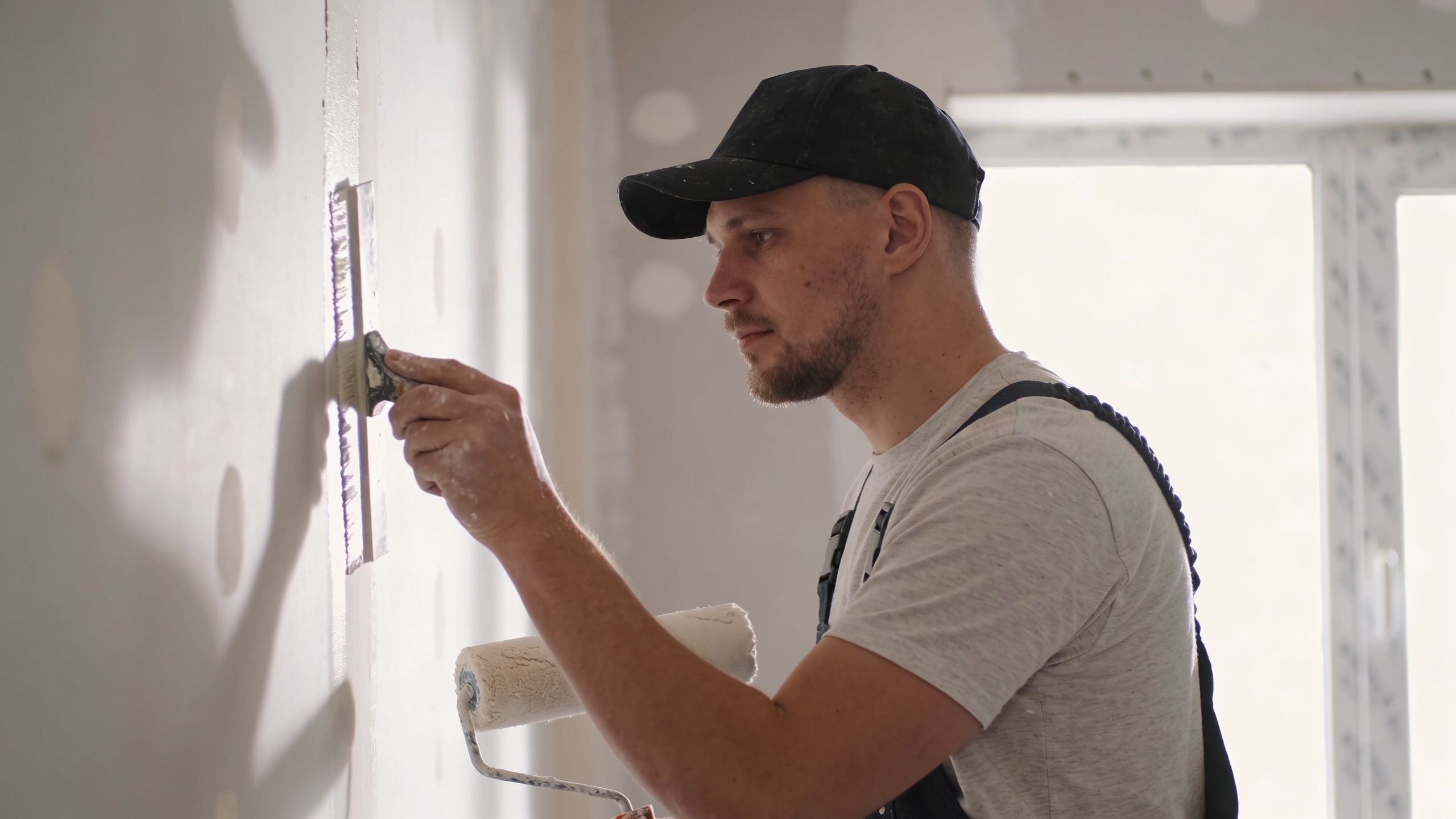
Drywall is a sequence trade. Repairs and installs move through cutting, fastening, taping, compound application, sanding, texture or skim work, and then final surface prep. The sequence matters because a rushed middle step usually shows up at the end.
Here's a useful look at finishing technique in action:
The best projects don't just look clean at the end. They stay manageable while they're underway. Communication is steady. The crew tells you what's happening that day, what needs drying time, and when the next phase is scheduled. If something changes, you hear about it before it becomes a delay.
For larger remodels and tenant improvements in Portland, Hillsboro, or Vancouver WA, integrated service matters. When drywall, painting, insulation, and framing are coordinated together, the project usually moves more smoothly than when each piece is split across disconnected crews.
The last step is the walkthrough. That's where patch visibility, corner lines, texture blend, smoothness, and readiness for paint get checked in the actual room lighting, not just under work lights. Good contractors don't avoid that moment. They plan for it.
If you need drywall repair, drywall installation, texture matching, interior painting, insulation, or metal stud framing in Portland or the surrounding metro, CS1 Real Interiors is available for residential and small commercial projects. To get started, request a free estimate and get clear help for your drywall or interior project.


