



Finding a drywall contractor in Lake Oswego isn't typically a recreational pursuit. A ceiling stain showed up after a leak. A remodel opened walls that now need to be closed cleanly. Or you're getting a home ready to sell, and every crack, patch, and uneven seam suddenly stands out.
In Lake Oswego, drywall work isn't just about covering framing or patching damage. It's about making the repair disappear, matching the rest of the room, and avoiding mistakes that come back later as flashing, cracking, or permit trouble. Homeowners in this area usually want the same thing: a smooth result, clear communication, and no surprises once the job starts.
Table of Contents
- Why a Professional Drywall Finish Matters in Your Home
- First Steps Defining Your Project Scope and Finish
- Finding and Vetting a Reputable Local Contractor
- Comparing Estimates and Understanding Lake Oswego Pricing
- Navigating Permits and Building Codes in Lake Oswego
- Making Your Final Decision and Starting Your Project
Why a Professional Drywall Finish Matters in Your Home
A lot of drywall problems start small. A hairline crack above a door. A patch after plumbing access. A ceiling repair after a bathroom overflow. Then paint goes on, the afternoon light hits the wall, and every seam shows.
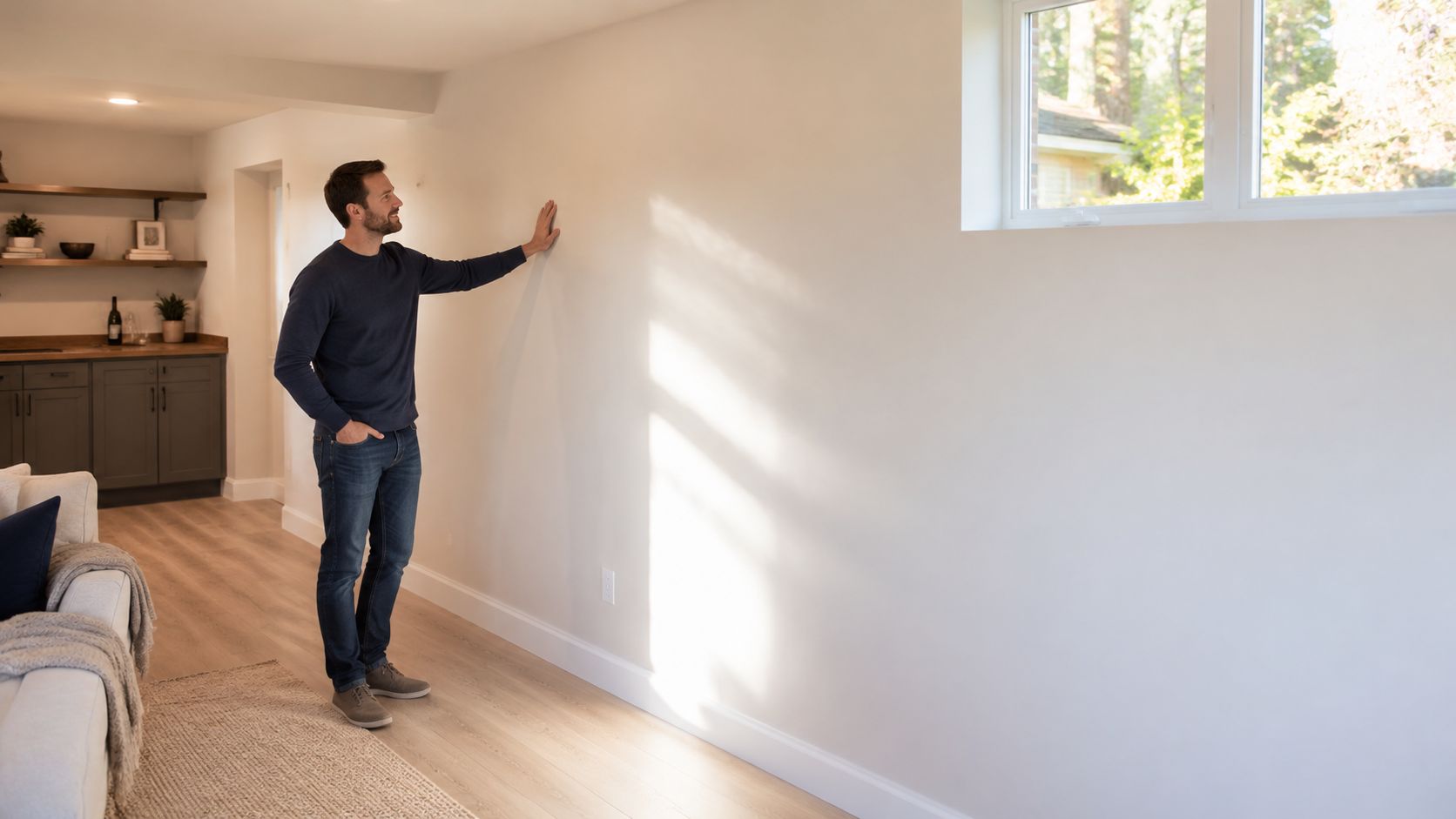
In a place like Lake Oswego, that matters. Homes here often have larger windows, cleaner interior design, and lighting that makes poor finishing obvious. A patch can be structurally sound and still look wrong if the surface isn't blended properly, the texture isn't matched, or the wall isn't prepared for paint the right way.
The local market also tells you something important. Lake Oswego has an active drywall trade, with over 15 commercial drywall contractors listed locally and nearly 100 related job postings in the area, which points to steady demand across residential and commercial work according to Lake Oswego drywall market data. That's one reason homeowners often feel stuck between waiting for the right contractor and rushing to hire the first one who answers.
What homeowners usually notice first
Clients don't call because they need "drywall services." They call because they notice one of these:
- Visible cracking: Around windows, doors, stair-step joints, or ceiling transitions.
- Water staining: Brown spots, soft board, bubbling tape, or sagging areas after a leak.
- Bad previous repairs: Lumpy patches, rough sanding marks, or shiny spots that flash through paint.
- Remodel disruption: Open walls from electrical, plumbing, insulation, or layout changes.
A good drywall finish should disappear into the room. If guests can spot the repair from across the space, the job wasn't finished far enough.
Paint also plays a role. Finish quality and paint quality work together, which is why homeowners comparing wall appearance often benefit from practical guidance on surface prep and coating expectations from resources like Newline Painting Melbourne experts. The principle is simple. Even good paint won't hide poor drywall finishing.
First Steps Defining Your Project Scope and Finish
Before you ask for bids, define what kind of job you have. Homeowners save time and avoid bad estimates when they separate a small patch from a moisture issue or a full installation project.

A drywall contractor in Lake Oswego will usually start by asking what caused the damage, how large the affected area is, and what finish the room needs. That's not sales talk. That's how you avoid pricing a cosmetic patch when the actual job involves replacing damaged board, drying the cavity, or coordinating with paint and trim.
Know which project you have
These are the main categories most homeowners fall into:
Minor repair work
Nail pops, dents, door knob holes, stress cracks, and small ceiling damage usually fall here. The main challenge isn't hanging board. It's making the repair invisible after sanding, priming, and painting.Water-damage repair
In this scenario, people make the most expensive mistake. They patch too early. If the leak source isn't fixed first, or if insulation and framing haven't been checked, the repair can fail fast. For these jobs, the right question isn't "Can this be patched?" It's "What needs to be removed, dried, and replaced for a durable repair?"Full installation or remodel work
Additions, basement finishing, kitchen remodels, wall removals, and room reconfiguration need more planning. The drywall scope may also overlap with insulation, framing corrections, electrical access, and painting.
Level 4 and Level 5 are not the same
Finish level matters more than many homeowners realize. If you want smooth walls in a bright room, "standard finish" may not be enough.
A Level 5 smooth finish requires a skim coat of fine-grain joint compound across the full surface after taping and initial coats. That extra step helps reduce photographic or surface-reveal defects under direct lighting, a flaw associated with 68% of substandard contractor jobs in the verified trade data provided for this article.
The practical sequence matters:
- Tape and fill first: Joints, corners, and fasteners are finished properly before any skim work begins.
- Apply a full skim coat: The compound goes over the entire substrate, not just over seams.
- Sand to a feathered surface: Sloppy work becomes evident here. Over-sanding and under-sanding both create paint problems.
- Prime before final appearance work: Primer helps expose flaws and supports a more even final surface.
Practical rule: If the room has large windows, recessed lighting, long hall walls, or a modern smooth-wall look, ask whether the bid is for Level 4 or Level 5. Don't assume.
A lot of Lake Oswego homes have conditions that make finish quality more noticeable. Open living spaces, natural light, and remodel tie-ins all raise the standard. If you're planning interior painting after drywall, define that early so prep, primer, and final wall appearance stay aligned.
Finding and Vetting a Reputable Local Contractor
A lot of drywall problems get baked in before the first sheet goes up. The homeowner hires a contractor on price, assumes the finish details are understood, and finds out later that nobody clarified protection, permits, patch blending, or who is responsible if the scope changes.
Good screening prevents that.
In Lake Oswego, I would not vet a drywall contractor only on photos and a handshake. Older homes, remodel tie-ins, garage separations, and work near plumbing or electrical changes can trigger permit or inspection questions. A contractor does not need to be a code official, but they should know when drywall work stays cosmetic and when it crosses into regulated work.
What to verify before anyone starts
Ask for the basics in writing, then check whether the answers line up with your project.
- Oregon license status: Verify the contractor is properly licensed for the work being proposed.
- Insurance coverage: Ask for current proof of general liability and workers' compensation.
- Detailed written scope: The estimate should spell out demolition, hanging, taping, finish level, sanding, protection, cleanup, and debris disposal.
- Crew structure: Ask whether the workers are employees, subcontractors, or a mix.
- Dust and surface protection: Get a clear plan for floor covering, plastic isolation, return-air protection, and daily cleanup.
- Permit awareness: Ask who will flag permit needs if the drywall scope expands because of framing changes, insulation corrections, fire-rated assemblies, or other concealed conditions.
That last point gets missed online all the time. In Lake Oswego, permit responsibility matters because drywall is sometimes part of a larger chain of work. A simple patch after a leak is one thing. Rebuilding a wall assembly, changing a garage separation, or closing up work after electrical or plumbing alterations is different.
Questions that reveal how a contractor actually works
Ask direct questions. Short, vague answers usually lead to long jobsite problems.
How will you protect finished areas and control dust?
Look for a specific plan, not "we keep it clean."What finish level are you bidding, and how will you handle lighting exposure in this room?
A contractor should connect the finish to the room, especially if the walls get strong natural light.How do you handle hidden damage or scope changes?
The answer should include written change orders, added cost approval, and schedule impact.Who checks permit requirements if the project opens up something beyond surface repair?
In a remodel, that question matters more than many homeowners expect.Have you done recent work in Lake Oswego or nearby homes with similar finish expectations?
Local experience helps because homeowner expectations here tend to be higher on smoothness, dust control, and paint readiness.
One more practical test. Ask the contractor to walk you through the job from day one to final touch-up. An experienced drywall pro can explain the sequence clearly. A weak one usually jumps straight to "we'll make it look good."
For homeowners who want a broader renovation mindset while finding trusted Markham contractors, this guide from MapleKing Kitchen Cabinets is a useful example of how to judge communication, scope, and professionalism across trades.
A vague bid often means vague responsibility. That usually gets expensive after demolition starts.
A practical option if you want one contractor for interior work
Some homeowners want one company that can handle related interior tasks instead of coordinating several trades themselves. CS1 Real Interiors provides drywall repair, drywall installation, interior painting, insulation, and metal stud framing for residential and small commercial interiors across the Portland metro area.
That kind of combined scope can help on projects where drywall is tied to framing corrections, insulation upgrades, or repainting after repairs. It also gives you one point of contact when questions come up about sequencing, access, and closeout.
Comparing Estimates and Understanding Lake Oswego Pricing
Once estimates come in, don't read only the total. Read what the contractor thinks the job is.
In 2026, drywall work in Lake Oswego is priced at about $2 to $4 per square foot, and local labor rates are 10% above the national average according to Lake Oswego drywall cost benchmarks. That's useful context, but it doesn't replace a detailed scope. A repair after a plumbing leak isn't priced the same way as hanging and finishing an open basement wall.
What a professional estimate should show
A solid drywall estimate usually includes:
- Scope of demolition or prep: Removal of damaged drywall, access cuts, disposal, and site protection
- Material details: Board type, corner bead, tape, joint compound, and whether specialty board is included
- Finish level: Especially important for smooth walls and ceilings
- Paint-readiness: Whether primer, touch-up prep, or texture matching is part of the bid
- Cleanup terms: Dust containment, debris removal, and final site condition
If those items aren't clear, the bid may look cheaper because important work is missing.
Comparing Drywall Contractor Bids
| Factor | What a Low Bid Might Mean | What a Professional Bid Includes |
|---|---|---|
| Scope | Missing prep, removal, or protection work | Clear description of each task from prep to cleanup |
| Materials | Basic materials without explaining suitability | Material choices matched to room conditions and finish goals |
| Finish | Assumes a lower finish standard | States the finish level and expected wall appearance |
| Schedule | Loose timing with no sequencing | Start window, workflow, and coordination details |
| Changes | Verbal handling of extras | Written change order process |
The cheapest drywall bid often costs more later if it leaves out prep, underprices the finish level, or treats paint-ready work like an afterthought.
A suspiciously low bid can also signal a contractor who hasn't accounted for real labor time. That's where projects drift. The crew rushes, sanding gets sloppy, textures don't match, and final touch-ups become an argument instead of part of the plan.
If you're comparing repair work against a larger upgrade, it also helps to ask whether interior painting is being coordinated or left to a separate trade. A wall can be technically repaired and still fail visually once paint goes on if nobody owns the final appearance standard.
Navigating Permits and Building Codes in Lake Oswego
Many drywall jobs don't stop at drywall. That's where permit confusion starts.
A small hole repair usually isn't the issue. The issue is when drywall work is attached to a larger change such as moving a wall, opening framing, changing insulation, or coordinating around plumbing and electrical work. In Lake Oswego, that matters because the city requires permits for many alterations and additions, and homeowners are advised to confirm specifics with the Building Department according to the City's building permit FAQ for Lake Oswego.
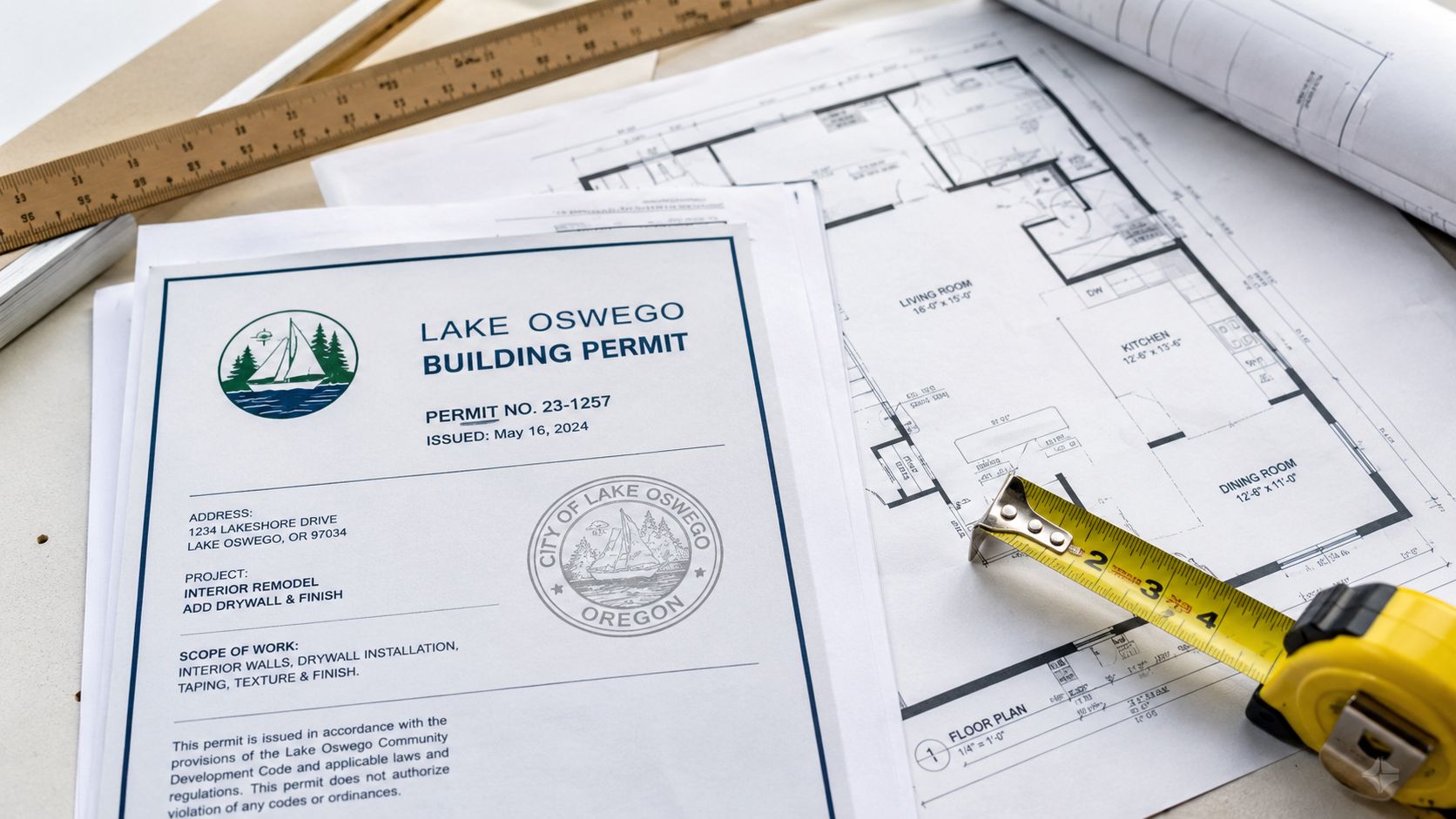
Where homeowners get tripped up
The common mistake is assuming the drywall part is cosmetic, so the whole project must be cosmetic. That's not always true.
If a contractor opens walls after a leak, reframes an area, changes insulation, or closes up work that involved regulated systems, permit questions can come into play. In those situations, the primary value of a professional isn't only the finish quality. It's reducing the risk of missed steps that can create problems later during inspections, resale, or insurance conversations.
Here are practical examples of when to pause and ask permit questions:
- Wall removal or layout change: Framing and structural issues may be involved.
- Leak repair with system work behind the wall: Plumbing or electrical work may affect what needs approval.
- Garage, basement, or addition work: Alterations often involve more than drywall alone.
- Insulation changes during remodels: Closing walls without confirming requirements can create headaches later.
If the project touches framing or systems behind the drywall, don't rely on assumptions. Confirm permit responsibility before the first sheet goes up.
That local knowledge matters across the region, not only in one zip code. Homeowners planning work elsewhere in the region can also review service coverage in the Portland metro area when comparing contractors familiar with nearby city requirements.
Making Your Final Decision and Starting Your Project
By this point, the right contractor usually stands out. Not because they talk the most, but because their process is clear.
Choose the company that defined the scope well, answered questions without dodging, explained the finish standard in plain language, and treated permit responsibility seriously where needed. If two bids are close, the better documentation usually wins. That's the contractor who is less likely to improvise at your expense.
A final checklist helps:
- The scope matches the actual problem
- The finish level fits the room and lighting
- The estimate explains prep, protection, and cleanup
- Permit questions have been addressed
- Communication feels organized from the start
Drywall is one of those trades people notice most when it's done poorly and barely think about when it's done right. That's exactly the goal. Clean lines, consistent surfaces, and walls that are ready for paint without excuses.
If you're ready to start, use the simple form to request a free estimate for your Lake Oswego drywall project.
If you need help with drywall repair, drywall installation, interior painting, insulation, or metal stud framing, CS1 Real Interiors serves Lake Oswego and nearby Portland metro communities with practical interior solutions for homes and small commercial spaces. Request a free estimate and get clear guidance on the next step for your project.


