



Knockdown texture is a popular wall and ceiling finish made by spraying or rolling thinned drywall mud, waiting about 10 to 15 minutes, and then flattening the raised peaks to leave a subtle, mottled pattern. It sits between a flat wall and heavier textures, so it looks more finished than rough spray texture but hides more surface variation than a smooth wall.
If you're looking around your home in Portland, Beaverton, or Hillsboro and wondering why so many ceilings and walls have that slightly flattened, splattered look, this is probably what you're seeing. It shows up in a lot of homes that were built or remodeled from the early 1990s onward, especially where builders wanted a finish that looked forgiving and moved quickly across large surfaces. For homeowners, the main question usually isn't just what is knockdown texture. It's whether it looks good, whether it's worth keeping, and what happens when part of it gets damaged and has to be matched.
Table of Contents
- Your Guide to a Common Pacific Northwest Wall Finish
- What Knockdown Texture Looks and Feels Like
- Knockdown vs Other Common Drywall Textures
- Pros and Cons of Knockdown Texture
- Need a Flawless Wall Finish? Get a Pro's Help
- Repairing and Matching Knockdown Texture
- DIY Texture vs Hiring a Professional in Portland
- Get Your Drywall Project Done Right
Your Guide to a Common Pacific Northwest Wall Finish
In the Portland metro area, knockdown is one of those finishes homeowners often live with for years before they ever learn its name. They usually notice it after a plumbing leak, a ceiling repair, or a remodel where one patched area suddenly looks different from the rest of the room.
That's why this finish deserves a practical explanation, not just a dictionary definition. Homeowners in Tigard, Lake Oswego, Gresham, and Vancouver, WA usually want answers to everyday questions. Will it hide imperfections? Will it make a room feel dated? Can a contractor patch it without leaving a visible repair?
Practical rule: Knockdown is easy to recognize from across the room, but hard to reproduce perfectly once part of the surface has been cut open and repaired.
It also matters in remodeling. If you're removing old popcorn ceilings, repairing cracked drywall, updating a rental, or preparing a home for sale, the finish you choose affects appearance, labor, and how future repairs will look. In many homes, knockdown remains a sensible middle ground. It's textured enough to disguise minor flaws, but not so heavy that the room feels rough or busy.
What Knockdown Texture Looks and Feels Like
A lot of homeowners first notice knockdown after a repair. The patched area is smooth, the rest of the wall has a soft broken pattern, and suddenly the texture becomes impossible to ignore.
Knockdown has a flattened, mottled look that sits between a smooth wall and a heavier sprayed texture. Up close, the surface usually shows broad irregular shapes with low raised edges and flattened tops. The pattern is not supposed to look precise. Small variations in spacing, size, and pressure are part of what makes it read like a hand-finished wall instead of a factory-made surface.
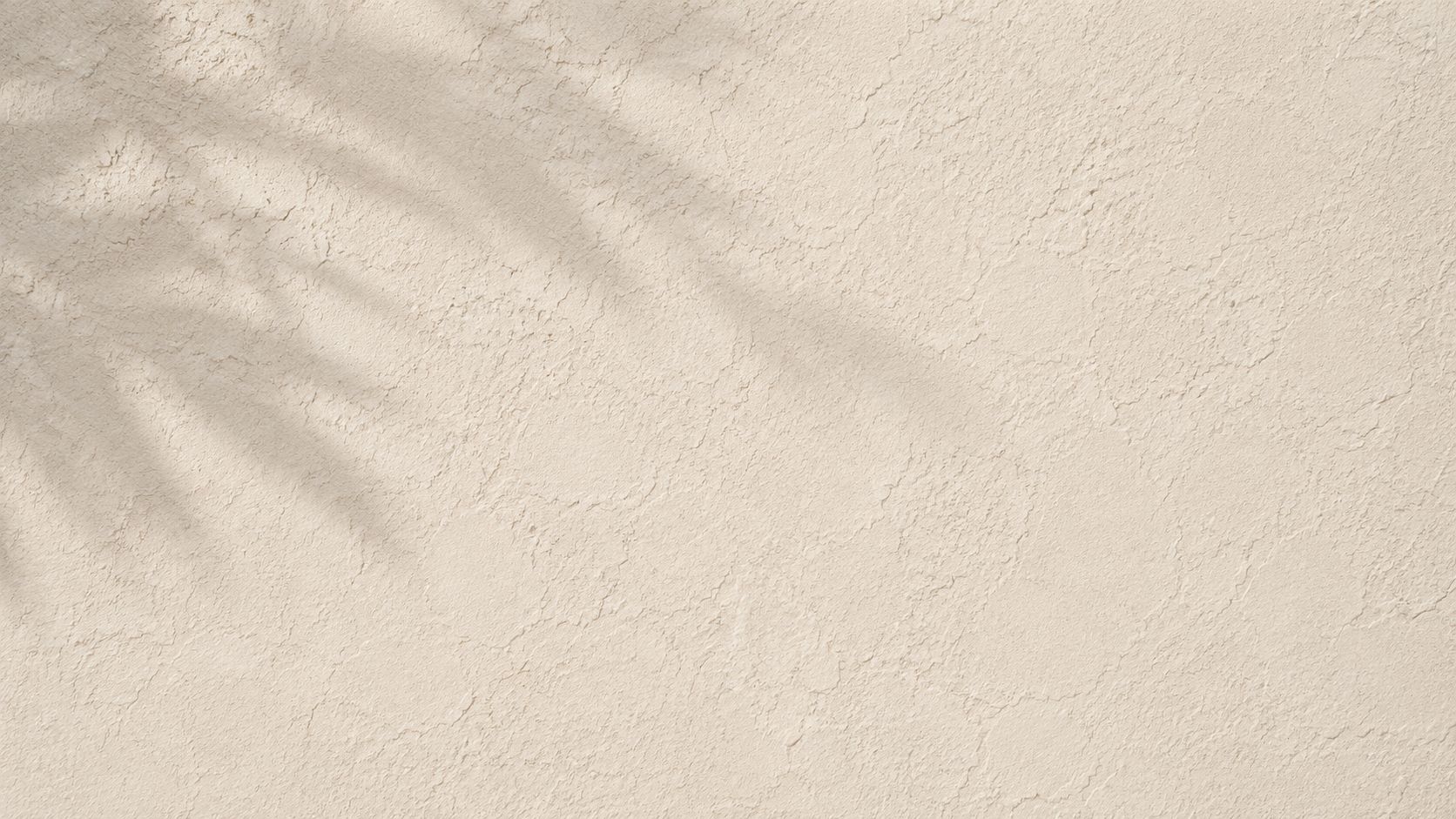
In practical terms, knockdown is made by applying thinned joint compound, letting it set briefly, and then flattening the high spots with a broad knife or trowel. That second step gives the texture its signature look. You get movement and shadow, but the peaks are pressed down enough that the finish feels softer and more controlled than a heavy splatter ceiling.
The feel matters too. Run your hand across it and you'll notice a light texture rather than sharp bumps. On walls, that can make a room feel warmer and less stark than a smooth Level 4 finish. On ceilings, it breaks up reflected light and helps hide minor framing waves, old patchwork, and small finishing defects that would show more clearly on a flat surface.
A few details make knockdown easy to identify:
- Flattened splatter marks instead of round, untouched droplets
- Irregular pattern changes that look hand-worked, not perfectly repeated
- Shallow relief that creates mild shadow lines without a rough, bulky surface
- Soft visual movement that becomes more noticeable under side lighting
That last point is where homeowners run into trouble during repairs. A texture may look subtle in the middle of the day, then stand out hard at night when lamp light or window light hits the wall from the side. That's one reason matching existing knockdown is harder than it looks. The size of the splatter, the amount of flattening, the thickness of the mud, and even the paint sheen all affect whether a patch disappears or flashes out.
If you're trying to compare wall finish options, look at the surface from more than one angle, not just straight on. For Portland-area homes dealing with water damage, drywall cracks, or a remodel tie-in, that tells you more than a close-up photo ever will.
Knockdown vs Other Common Drywall Textures
Homeowners often use the wrong label for wall texture, especially during repairs. They'll call orange peel knockdown, call popcorn texture “ceiling spray,” or assume every textured wall is the same. In practice, they behave very differently when you patch, paint, or remodel them.
Drywall texture comparison
| Texture Type | Appearance | Pros | Cons |
|---|---|---|---|
| Knockdown | Flattened, mottled pattern with irregular shapes | Hides minor surface flaws, works well on large areas, softer look than heavy texture | Hard to patch invisibly, harder to clean than smooth walls |
| Orange peel | Fine, consistent bumpy texture | More subtle than knockdown, common on walls, easier to blend than heavier textures | Still not smooth, can look patchy under certain light |
| Popcorn | Heavy, raised acoustic-style ceiling texture | Covers rough ceilings well | Looks dated to many homeowners, difficult to clean, often replaced during remodels |
| Level 4 or Level 5 smooth finish | Flat, clean, modern surface | Crisp appearance, easiest to update with paint and trim changes | Shows defects more easily, requires stronger prep and finishing quality |
If you're trying to compare wall finish options, it helps to look at them under side lighting. Texture that seems minor in the middle of the day can become much more obvious in the evening when windows throw sharp shadows across the wall.
How to tell them apart in your own home
Orange peel is finer and more even. The bumps are smaller, and the finish doesn't have those flattened islands that define knockdown. On a repair, orange peel usually reads as a sprayed texture. Knockdown reads as a sprayed texture that someone came back and compressed.
Popcorn is much heavier and more dramatic. It projects farther from the surface and creates deeper shadow lines. In Portland-area remodels, many homeowners replace popcorn because they want a cleaner look and a finish that feels less dated.
Smooth wall finishes are the opposite end of the spectrum. They look modern and sharp, especially in updated homes in places like Lake Oswego and newer remodels in Hillsboro. But smooth walls demand better drywall finishing, better lighting awareness, and more disciplined patch work because they don't hide much.
For remodel planning, the trade-off is simple. The smoother the wall, the cleaner the look. The more textured the wall, the more forgiving the surface. Most problems show up when a homeowner wants the forgiving nature of texture with the flawless look of a Level 5 finish. Those goals usually pull in opposite directions.
Pros and Cons of Knockdown Texture
Knockdown earns its keep in a lot of homes because it gives you a finished look without demanding perfectly smooth drywall underneath. That is a big reason builders and remodelers used it so often on ceilings, hallways, and larger living areas. It covers minor surface variation well, breaks up light better than a flat wall, and usually costs less to finish than chasing a near-perfect smooth surface from room to room.
That same forgiving look is the main advantage for homeowners. Everyday wear tends to blend in better. Small waviness in the framing or slight inconsistencies in the drywall finish usually do not stand out the way they would on a smooth wall. In older Portland homes, that can be a practical middle ground between a dated heavy texture and the cost of a true smooth finish.
The trade-off shows up during repairs.
A water stain, drywall patch, plumbing access cut, or ceiling crack can turn a “forgiving” texture into a matching problem. Fresh knockdown almost always looks different from older knockdown until the pattern, flattening, thickness, and paint build all line up. Even then, lighting can expose the repair. I see this most often where afternoon sun or angled can lights rake across the wall and make a patched area read as a different texture.
Here's the practical breakdown:
- Pros: Hides minor drywall flaws, works well in larger spaces, softens light reflection, and usually costs less than a high-end smooth finish.
- Cons: Repairs are hard to blend, touch-up paint can flash on the high and low spots, dust can collect in the texture, and some homeowners see it as dated during a remodel.
Style is part of the decision too. Some homeowners want to keep knockdown because it fits the rest of the house and avoids turning one repair into a whole-home refinishing project. Others use a repair as the moment to remove texture and update the look. The right choice usually depends less on trend and more on scope. If the damage is isolated, matching the existing texture often makes sense. If multiple rooms already need patching, skim coating or retexturing may be the cleaner long-term move.
Need a Flawless Wall Finish? Get a Pro's Help
A lot of Portland homeowners call after a repair has already been attempted. The patch is flat in one spot, heavy in another, and the difference shows up every afternoon when light hits the wall from the side.
That is usually the point where a small drywall problem turns into a finish problem. Water damage, settlement cracks, old access cuts, and partial remodels all interrupt the existing texture. Getting the wall back to one consistent look takes more than filling the opening and rolling on paint. The new work has to blend with the surrounding surface, and knockdown is less forgiving than it looks once you are trying to match it.
Professional help makes the most sense when the goal is for the repair to stop calling attention to itself. That applies to walls and ceilings, especially in living rooms, hallways, and rooms with strong natural light where uneven texture stands out fast.
CS1 Real Interiors handles drywall repairs, texture matching, painting, insulation, and framing for residential and small commercial interior projects in Portland and nearby areas. If you want the finish to look right the first time, it helps to have the patch, texture, and final surface treated as one job instead of a series of separate fixes.
Repairing and Matching Knockdown Texture
Many homeowners face a challenge. The definition of knockdown is simple. Matching existing knockdown after a repair is not.
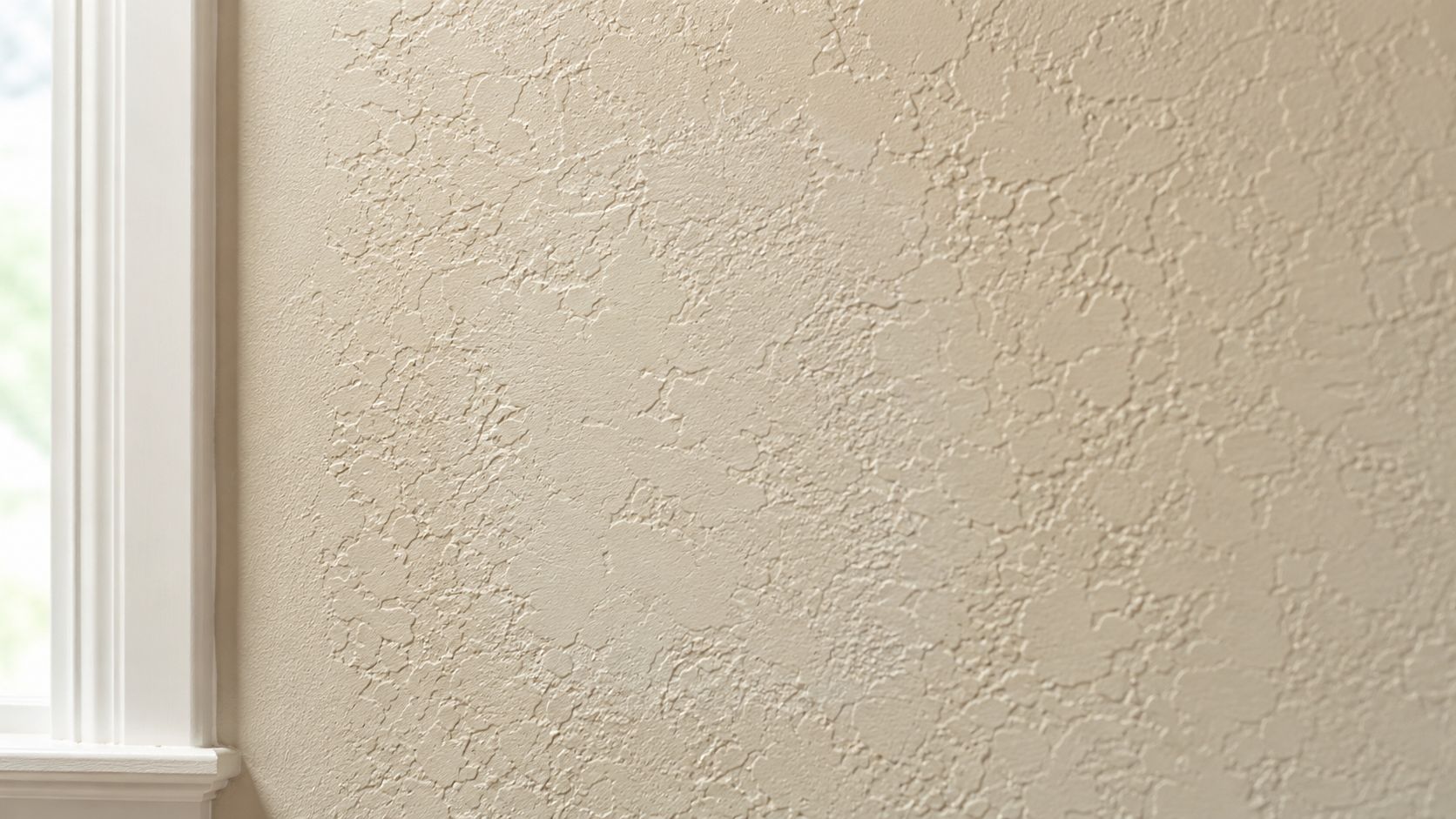
A repaired patch has to blend in with the original field texture around it, and that depends on more than just spraying mud. A practical contractor concern is that the final look changes based on application timing, spray droplet size, knife pressure, drying conditions, and original texture density, which is why many repair guides stress practicing on scrap first, as noted in this guide to knockdown ceiling texture characteristics.
Why patches stand out
Even small drywall repairs can become obvious if any one of the variables changes.
- Mud consistency matters. If the compound is too thin or too heavy, the texture won't sit like the surrounding area.
- Droplet size changes the pattern. Fine spray and coarse spray create very different textures before knockdown even starts.
- Knife pressure changes the finish. A heavier pass flattens too much. A lighter pass leaves peaks too sharp.
- Drying conditions affect timing. Air movement, room temperature, and surface absorption all change the working window.
That's why a patch can look acceptable from one angle and still stand out badly from another. On ceilings, this problem gets worse because overhead light and window light both exaggerate texture differences.
For homeowners dealing with cracks, holes, or leak damage, this is often the point where a drywall repair service in Portland makes more sense than experimenting in the middle of a finished room.
Spot repair or retexture the whole surface
The right repair approach depends on visibility more than patch size alone.
| Option | Best Use | Main Trade-off |
|---|---|---|
| Spot repair | Small damage in a low-visibility area | Cheapest path, but hardest to blend perfectly |
| Whole-wall or whole-ceiling retexture | Damage sits in a visible field or near strong lighting | More labor, but often gives a more consistent final look |
| Skim coat to smooth finish | Homeowner wants to eliminate texture during remodel | Cleaner modern appearance, but requires broader finishing and repainting |
A quick demonstration helps show why this finish takes practice:
A small water-damage patch in the middle of a dining room ceiling can be harder to hide than a larger repair inside a closet because light makes the mismatch obvious.
If a patch is near a window wall, in a kitchen, over a stairwell, or across a long ceiling plane, full retexture or a smooth-finish upgrade often gives a better result than trying to “feather in” one isolated area.
DIY Texture vs Hiring a Professional in Portland
A lot of Portland homeowners start in the same place. A ceiling stain gets cut out after a leak, or a wall patch goes in after electrical work, and the repair looks simple until it is time to match the texture. That is usually where a small drywall fix turns into a finish problem.
Knockdown is possible to try on a small patch, but the hard part is not getting mud on the surface. The hard part is getting the spray pattern, knockdown timing, edge blend, primer absorption, and paint sheen to disappear under normal room lighting.
When DIY makes sense
DIY has a fair shot when the patch is small, the area is low-visibility, and an acceptable match matters more than an exact one. Garages, closets, laundry rooms, and storage areas fit that category better than a living room ceiling or a long hallway wall.
It also helps if you can practice first on scrap board and you are prepared to repaint more than the patch if the finish flashes or the texture lays down differently.
If the problem started with a leak, deal with the moisture issue before any texture work. This guide on identifying and repairing wet drywall is a useful starting point for deciding whether the drywall itself needs replacement first.
When hiring out saves money and frustration
In finished rooms, professional work usually gives a better result and often a cheaper one once you count wasted material, extra repainting, and the time spent reworking a patch that still catches the eye. Knockdown matching is sensitive to room conditions. Humidity, mud consistency, spray setup, and even how the light rakes across the wall all change the final look.

I see the same DIY misses over and over. The patch ends up flatter than the surrounding field, the pattern looks too tight or too sparse, or the repaired area flashes after paint because the priming and finish coat were not handled the same way as the rest of the surface.
A Portland drywall contractor can handle those details as part of the repair or remodel, especially when the texture has to blend across a visible ceiling plane or tie into other finish work. For older homes, additions, and rooms with mixed wall conditions, it also helps to work with a team familiar with drywall services in Portland, where matching existing finishes is often harder than applying new texture from scratch.
Get Your Drywall Project Done Right
Knockdown texture is a practical finish with a distinct look, but it's much harder to repair well than most homeowners expect. It can hide minor imperfections during original construction, yet become frustrating when a leak, crack, or remodel leaves one area that has to match the rest.
If you're deciding between a patch, a full retexture, or a smoother updated finish, the right answer depends on visibility, surface condition, and the result you want after paint. For a professional estimate on drywall repair, drywall installation, interior painting, insulation, or metal stud framing in the Portland metro area, use the free estimate form.
If you need help with knockdown texture, ceiling repair, smooth wall upgrades, or interior finishing, contact CS1 Real Interiors to request a free estimate. We work with homeowners, property managers, builders, and small commercial clients across Portland, Beaverton, Hillsboro, Tigard, Lake Oswego, and nearby areas.


