

A wall problem usually starts small. You notice a hairline crack over a doorway in Portland, a soft spot in a ceiling after a leak in Beaverton, or a patch that looked fine until fresh paint made it stand out even more. Then the question shows up. Do you need a drywaller, a painter, or one contractor who can handle the whole repair correctly?
That decision matters more than often realized. A wall can be structurally sound and still look unfinished if the patch telegraphs through the paint, the texture doesn't match, or the sheen changes from one angle to another. For homeowners, sellers, landlords, and small commercial property managers, the goal usually isn't just to close a hole. It's to make the wall look normal again.
Table of Contents
- Your Guide to Flawless Walls in the Portland Area
- Core Services of a Professional Interior Contractor
- Common Drywall and Paint Problems We Solve
- Ready for a Flawless Finish? Get Your Free Estimate
- Should You Bundle Drywall Repair and Painting?
- The Project Process From Estimate to Final Walk-Through
- How to Choose the Right Contractor in Portland
- Partner with CS1 for Your Interior Project
Your Guide to Flawless Walls in the Portland Area
A lot of interior repair work begins with frustration, not remodeling plans. A homeowner in Tigard might notice a ceiling stain after a roof issue. A property manager in Hillsboro may need a rental turned quickly after move-out damage. A seller in Lake Oswego may realize late in the process that old patches, nail pops, and uneven paint are making otherwise clean rooms look tired.
That's where a drywall and painting contractor becomes useful. Not as someone who only patches damage, but as someone who can evaluate the wall system, repair the substrate, prepare the finish surface, and make the final appearance consistent across the room. Those are different tasks, and when they're handled out of order, the result often looks repaired instead of flawless.
This is a large, established trade tied closely to repair and renovation work. The painting and wall covering contractors industry includes about 35,000 establishments and generates about $25 billion in annual revenue, with meaningful activity tied to residential maintenance, repair, and renovation according to industry data on painting and wall covering contractors. That matters because it confirms something homeowners already feel firsthand. Most wall work doesn't happen on brand-new construction sites. It happens in lived-in homes after wear, settling, leaks, remodels, and everyday damage.
Practical rule: If the goal is for the repair to disappear, the finish plan has to be part of the repair plan from the start.
In older Portland homes, movement cracks and patch blending are common. In newer homes around Vancouver, WA or Gresham, the issue is often speed. Builders, landlords, and homeowners want clean walls fast, but fast work isn't the same as finished work. Timing, drying, sanding, priming, and paint selection all show up in the final result.
For anyone trying to sort through a wall problem, the job gets easier when one team can look at the whole interior system and tell you what needs to happen. That includes drywall repair, installation, paint-ready finishing, insulation where walls are opened, and framing when layouts change.
Core Services of a Professional Interior Contractor
A true interior contractor doesn't just “fix drywall.” The work often starts behind the finished surface and ends only when the wall is ready to live with every day.
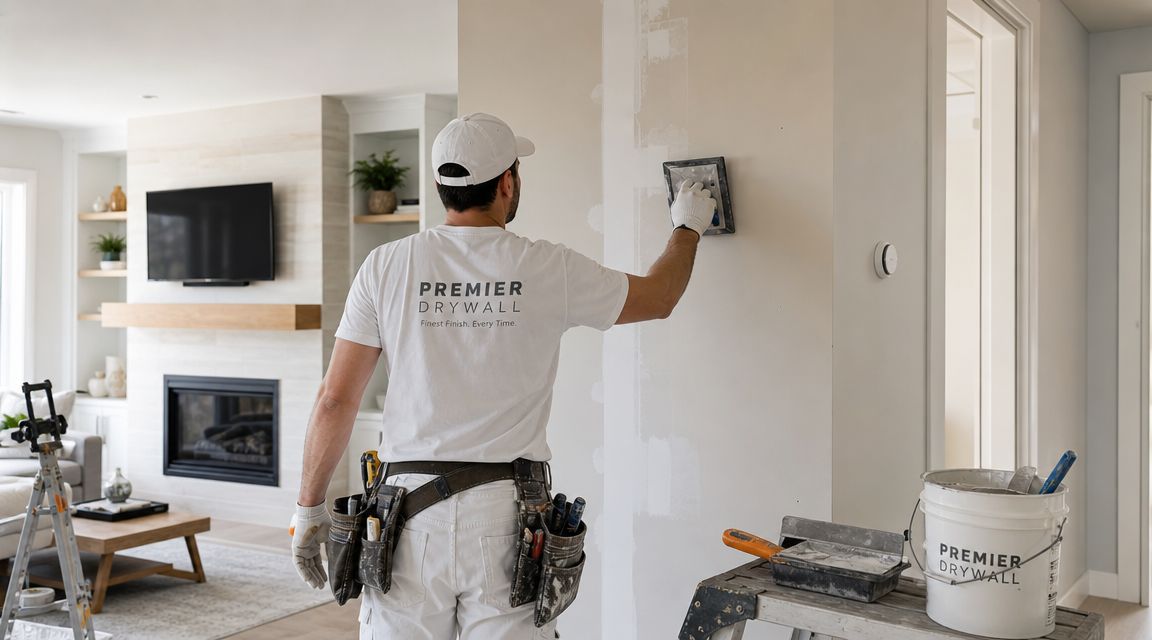
Drywall installation and repair
This is the core of the project. It includes patching holes, replacing damaged sections, repairing cracks, correcting bad seams, reworking ceilings, and installing new board during remodels or tenant improvements.
The detail that matters most is how the replacement material is attached. Authoritative renovation guidance recommends mechanically fastening replacement drywall to studs and sealing joints properly because fastening to the structural substrate controls movement and helps prevent cracking as the building settles or humidity changes, as noted in renovation guidance on drywall attachment and joint sealing.
That's why a careful contractor locates framing, cuts back to sound material, secures the repair properly, tapes the joints, and seals edges near trim where separation often shows up later.
Interior painting
Painting isn't just a finish coat. It's the stage that exposes every shortcut underneath. Good interior painting includes surface inspection, patch review, sanding correction, spot priming, full priming where needed, and a coat sequence that matches the room's existing condition.
For homeowners, the benefit is consistency. The wall shouldn't flash in side light, lap in broad daylight, or reveal a square patch every evening when lamps turn on. A professional paint scope also helps with occupied homes because trim, flooring, furniture, and adjacent surfaces need protection before any coating work starts.
Level 5 finishes and smooth wall preparation
Some rooms need more than a standard patch and repaint. If the lighting is harsh, the architecture is modern, or the wall was previously repaired badly, a smoother finish may be the right call.
A Level 5 finish is often the answer when clients want walls to look flat, refined, and paint-ready across the whole plane instead of only at the patched area. That can matter in open living rooms, stairwells, entryways, and commercial interiors where side light makes every ripple visible.
A small repair can still require a whole-wall finish strategy if the room has smooth walls and strong natural light.
Insulation
When drywall is opened after water damage, remodeling, or layout changes, insulation becomes part of the conversation. This matters in exterior walls, sound-sensitive rooms, offices, clinics, and shared walls in multifamily spaces.
A coordinated contractor can handle the open-wall sequence without making the client hire separate trades for each step. That keeps the job moving and reduces handoff problems.
Metal stud framing
Some projects go beyond repair and into reconfiguration. Restaurants, retail spaces, offices, and basement remodels often need light framing work before drywall starts.
Metal stud framing gives clean lines, dependable layouts, and a good base for board attachment in many interior commercial settings. For small commercial clients, having framing, insulation, drywall, and paint under one scope can simplify scheduling and final coordination.
If you're comparing options for your home or business, drywall repair services are often the best place to start because they reveal whether the issue is cosmetic, structural, moisture-related, or part of a larger remodel.
Common Drywall and Paint Problems We Solve
Most calls don't begin with construction language. People say, “There's a crack that keeps coming back,” or “The ceiling dried out but still looks bad,” or “We patched the hole and now it's more obvious than before.”
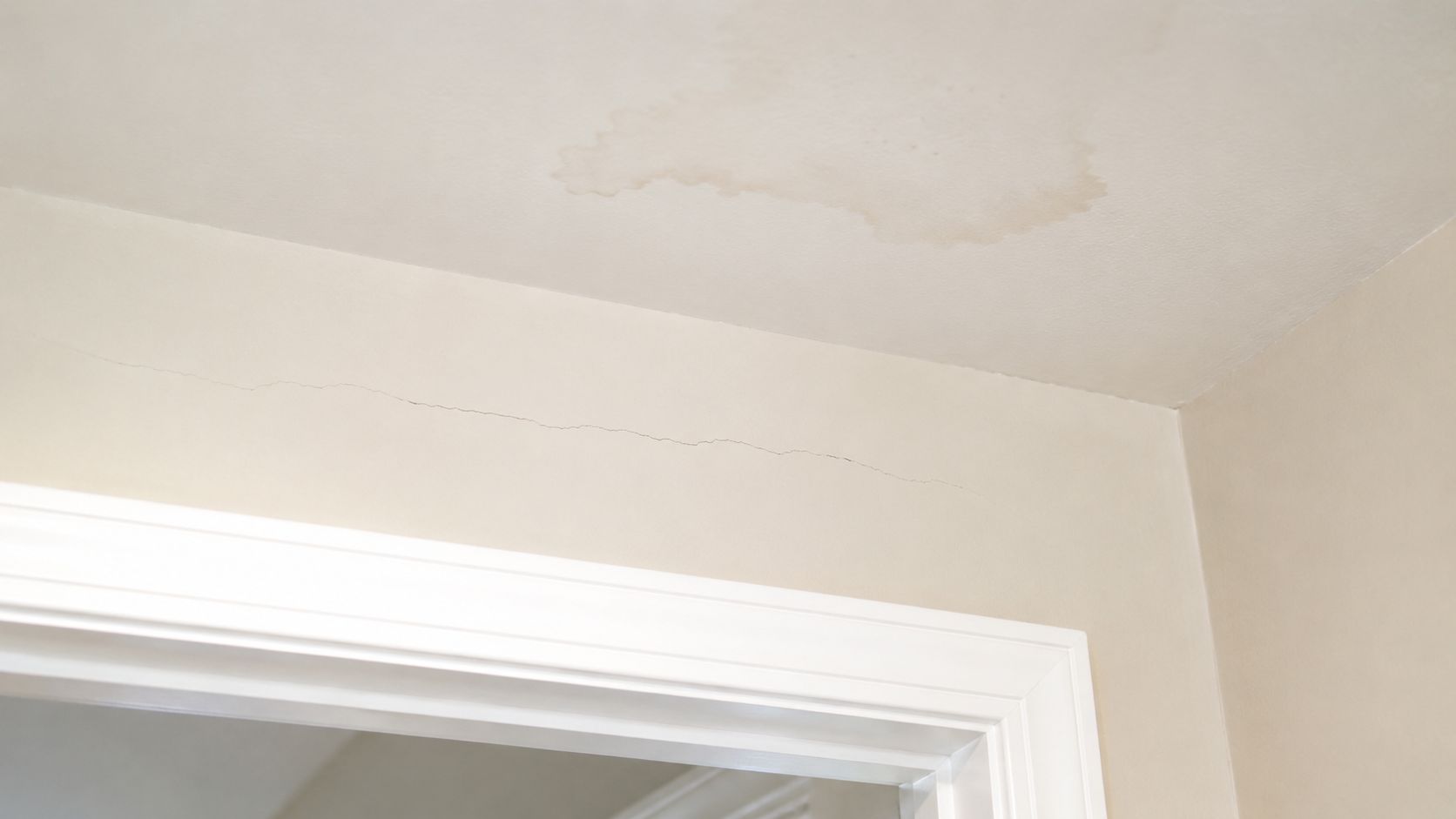
Cracks over doors and windows
These are common in both older and newer homes. Sometimes the cause is normal movement. Sometimes it's poor joint treatment, weak backing, or a previous cosmetic repair that never addressed the stress point.
The repair usually needs more than surface filler. If the crack has movement behind it, the area has to be opened enough to determine whether the drywall is loose, the joint failed, or the transition near framing is unstable. In Portland-area homes, this shows up often in hallways, stair transitions, and above openings.
Water-damaged ceilings and walls
Water is where people are most tempted to cut corners. The stain dries, the leak gets fixed, and someone wants to paint over it. That can work only if the substrate is still sound.
If drywall has softened, swelled, sagged, or broken down, it usually needs replacement, not just stain blocking. The sequence matters. First stop the source. Then inspect the affected material. Then repair or replace the damaged area and rebuild the finish so the ceiling or wall doesn't show a depression, hump, or texture break afterward.
If water changed the shape of the board, paint won't put that shape back.
A visual walkthrough helps many clients understand what a proper ceiling repair involves before paint ever enters the conversation.
Holes dents and failed patches
Door knob damage, moving damage, anchor holes, and previous DIY repairs are routine work. What changes the difficulty is not the hole size alone. It's the surrounding finish.
A patch in orange peel texture needs a different approach than a patch in a smooth dining room wall. A repair in a ceiling usually needs more feathering because overhead light is unforgiving. In rental turnovers around Gresham or Beaverton, the challenge is often cumulative damage. Ten small repairs in one room can force a larger skim and repaint decision.
Texture and paint mismatch
Many jobs encounter problems after technically “good” drywall work. The wall is repaired, but the patch still reads because the texture is too fine, too heavy, or sprayed in the wrong pattern. Or the color matches while the sheen doesn't.
Common visibility problems include:
- Patch flashing: The repair absorbs or reflects paint differently than the surrounding wall.
- Hard repair edge: The compound wasn't feathered far enough, so the patch outline shows.
- Texture drift: The surrounding wall has years of paint buildup and the new texture looks fresh and isolated.
- Plane repaint issues: Spot painting leaves a visible change, especially on eggshell or satin finishes.
In Lake Oswego, Tigard, and Vancouver, WA, this comes up often before listing photos, tenant turnover, and interior upgrades where clients want clean results without remodeling the whole room.
Ready for a Flawless Finish? Get Your Free Estimate
If you've already spotted the problem, the next step isn't guessing. It's getting the wall evaluated by someone who can tell you whether you need a simple repair, a larger replacement, texture matching, or repainting across the full surface.
That matters because the wrong scope creates the same frustration twice. You pay for a patch, then pay again when it still shows.
For homeowners and property managers who want a clear process, request a free estimate for your interior project. If you also want a better sense of how painting companies organize quoting and job flow, this overview of Revlit for painting contractors is a useful general reference on how estimating systems support cleaner project communication.
Professional help is usually the cheaper path when the room needs to look finished, not just repaired.
Should You Bundle Drywall Repair and Painting?
Bundling drywall repair and painting can be smart. It can also be the reason a repair stays visible. The difference comes down to timing, surface preparation, and whether one contractor is treating the job as one finish system instead of two separate tasks.
When bundling works well
Bundling is usually the better option when the repair is minor to moderate, the wall or ceiling needs repainting anyway, and one team can control the sequence from cut-out to final coat.
It reduces handoff errors. The person repairing the wall already knows how far the patch was feathered, where the primer is needed, and whether the surrounding area should be painted corner-to-corner instead of spot touched. That can help homeowners in Portland or Hillsboro avoid the common problem where the drywaller leaves a technically paintable patch but the painter inherits a mismatch.
Bundling also helps during remodel prep, make-ready work, and occupied homes where fewer site visits matter.
When bundling creates risk
Bundling fails when speed takes priority over cure time and finish quality. Industry guidance emphasizes that for paint to adhere properly and look uniform, the drywall substrate must be clean, dry, and smooth, and that most paint defects trace back to surface preparation rather than the finish coat, as described in painting inspection guidance for surface prep and coating quality.
That is the critical point. A rushed repair-and-paint sequence often produces:
- Visible patch rings because sanding or priming was incomplete
- Texture shadows because the patched area dried differently than the field
- Sheen mismatch because only the repair was painted
- Adhesion trouble if paint was applied over dust, moisture, or unstable surfaces
A homeowner often interprets that as “bad paint,” but the root cause is usually the transition from repair to coating.
The hardest part of the job isn't putting paint on the wall. It's making the repaired area disappear before paint goes on.
Questions to ask before saying yes
If you're considering one contractor for both scopes, ask direct questions:
- How will you handle drying and recoat timing: You want a sequence based on the condition of the repair, not a promise to finish fast no matter what.
- Will you match texture or recommend repainting the full plane: Small patches often need bigger paint decisions.
- Are you spot painting or painting break-to-break: The answer changes whether the patch will blend.
- What preparation happens before primer and paint: Dust removal, sanding checks, edge blending, and surface inspection should all be part of the answer.
A bundled scope works well when the contractor is honest about what can be blended and what needs a broader repaint to look right.
The Project Process From Estimate to Final Walk-Through
Homeowners usually feel better once they know what the job will look like day to day. A professional interior project should feel organized, not mysterious.

Visit and estimate
The first step is seeing the actual damage. Photos help, but they don't always show loose board, failed seams, moisture history, or how visible the repair will be under the room's lighting.
A good estimate should define the affected areas, likely repair method, expected finish level, and whether painting is included or separate. It should also identify if the issue appears cosmetic or if the wall needs to be opened further to confirm conditions behind the surface.
Protection and prep
Before any cutting, sanding, or coating starts, the room needs protection. Floors, nearby furniture, fixtures, counters, and traffic paths should be covered or isolated based on the work area.
This step matters more than clients expect. Clean prep protects the home and also improves the finish because dust control and work sequencing affect the final paint result.
Repair finish and paint
This is the longest phase because several smaller tasks have to happen in order. Damaged material is removed or stabilized. New board or patch material is installed. Joints are taped and built out. The surface is sanded, checked, and corrected. Texture is matched if needed. Primer and paint follow only after the substrate is ready.
For larger interior projects, this may also include insulation replacement or metal stud framing before wall closure. For smaller repairs, the work may stay confined to one room but still require multiple visits because finish quality depends on timing, not just labor.
Cleanup and final review
The last stage should include debris removal, surface cleanup, and a final walkthrough with the client. This is the right time to check repaired areas in natural and artificial light, confirm scope completion, and discuss any remaining curing or touch-up considerations.
A professional finish should hold up visually once the room is back in normal use. That's the standard most clients care about.
How to Choose the Right Contractor in Portland
Hiring the wrong contractor often means paying twice. The first bill covers the patch. The second covers the correction after cracking, flashing, or bad blending shows up.
Questions worth asking
Ask practical questions, not sales questions. You want to know how the contractor works, what they're responsible for, and whether they understand finish quality as well as repair mechanics.
Use a checklist like this:
- License and insurance: Verify the contractor is properly licensed for the work they perform and carries appropriate coverage. If you want a plain-language explanation of why bonding and insurance aren't the same thing, Professional Window Cleaning explains bonding in a way many homeowners find helpful.
- Relevant project photos: Ask to see repairs similar to yours. A contractor who does large board installation isn't automatically strong at invisible patch blending.
- Scope clarity: Confirm whether the proposal includes texture matching, priming, painting, protection, and cleanup.
- Safety practices: This matters in occupied homes and active commercial spaces. Site control, ladder safety, dust management, and organized staging are part of professional work.
- Communication: Ask who your point of contact is and how change items or hidden damage are handled.
For local homeowners, it also helps to review whether the contractor regularly works in your area. A team serving Portland drywall and interior projects is more likely to understand the range of housing stock, from older plaster-adjacent transitions to newer smooth-wall expectations.
Key Factors Influencing Your Project's Cost
| Factor | Description & Impact on Cost |
|---|---|
| Damage type | A simple hole repair is different from water-damaged ceiling replacement or recurring structural cracking. More investigation and rebuilding increase labor. |
| Finish level | Standard wall repair, texture matching, and smooth-wall finishing require different amounts of prep and detail. |
| Paint scope | Spot painting may be possible in some cases, but full-plane or full-room repainting adds labor and material while often improving appearance. |
| Access | Tall stairwells, vaulted ceilings, tight rooms, and occupied spaces can slow production and require more protection. |
| Hidden conditions | Moisture damage, loose substrate, poor prior repairs, or framing issues can expand the original scope once the wall is opened. |
| Scheduling needs | Turnovers, pre-sale timelines, and active business spaces may require tighter coordination and phased work. |
Local fit matters
Portland-area projects vary more than people think. A small drywall crack in a bungalow near the city core can require a different approach than a smooth wall repair in a newer home in Tualatin. Small commercial work in Vancouver, WA may add scheduling, occupancy, and protection requirements that don't apply in a single-family home.
The contractor should be able to explain the trade-offs clearly. If they say every patch is simple, every texture can be matched perfectly without qualification, or every repair can be spot painted invisibly, that's a warning sign.
One practical option for homeowners, builders, and property managers who need drywall, paint, insulation, or framing under one scope is CS1 Real Interiors. The company handles residential and small commercial interior work across the Portland metro area with services that include repair, installation, finishing, painting, insulation, and metal stud framing.
Partner with CS1 for Your Interior Project
A good interior result comes from sequence, not luck. The framing has to be right. The drywall has to be secure. The finish has to be smooth enough for the room's light. The paint has to go over a surface that's ready for it.
That's why hiring a drywall and painting contractor should be about more than finding someone who can get to the job quickly. You want a team that understands cracks, holes, water damage, ceiling repairs, texture transitions, remodel prep, and the difference between a repair that's merely complete and one that disappears visually.
If you're still comparing trades for your broader remodel, this guide on how to find the right floor professional offers a useful reminder that the same hiring standards apply across interior work. Clear scope, clean process, and proven craftsmanship matter.
For next steps, review the company's drywall installation services if your project involves new walls, remodel framing, or larger interior rebuilds.
If your walls or ceilings need repair, repainting, or a full interior finish plan, CS1 Real Interiors can help you move from visible damage to a clean, paint-ready result. Request a free estimate to discuss drywall repair, drywall installation, interior painting, insulation, or metal stud framing for your home or small commercial project in Portland, Beaverton, Hillsboro, Tigard, Lake Oswego, Gresham, or Vancouver, WA.